You’ve seen the headlines. AI is writing code. AI is diagnosing diseases. AI is even making “art” that looks like a fever dream. It feels like every job on the planet is one software update away from disappearing.
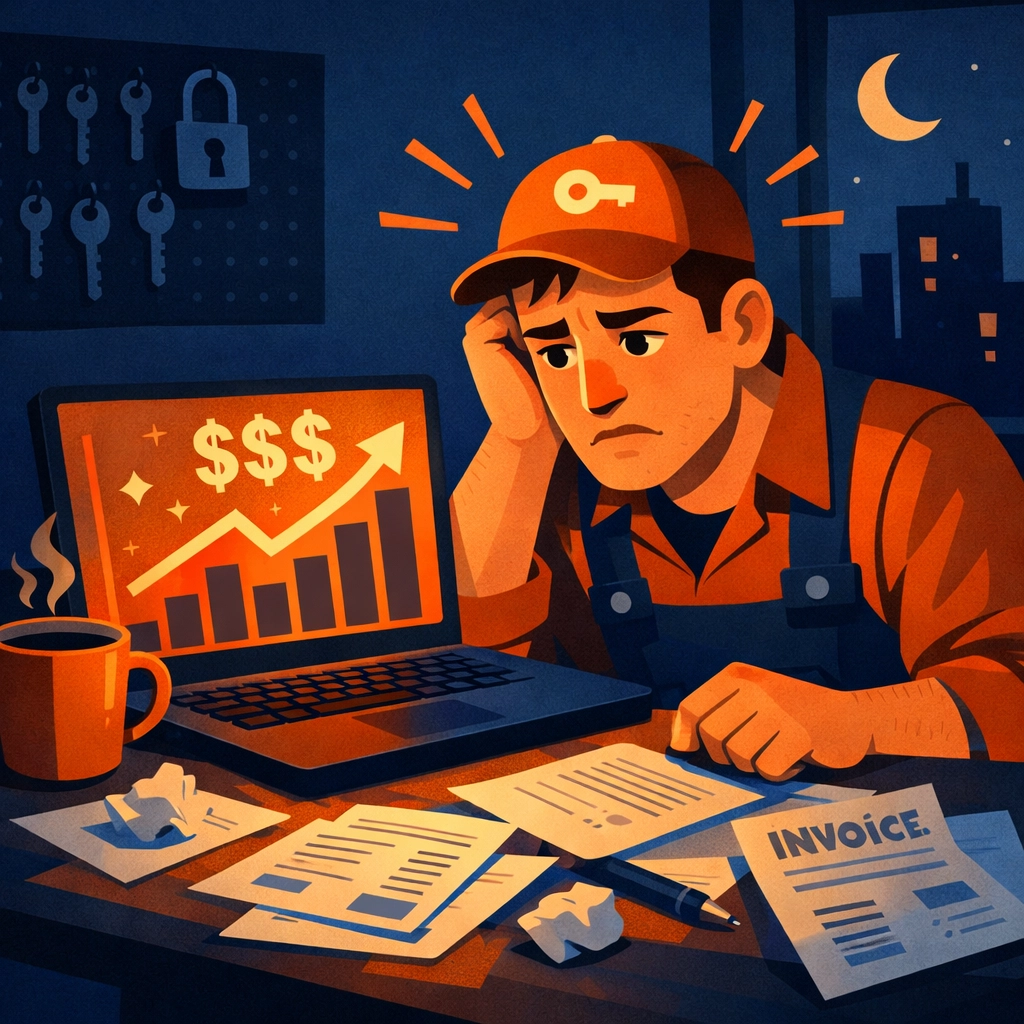
But then there’s you. You’re standing on a porch at 2 AM. It’s freezing. The lock you’re looking at was manufactured in 1974 and has been painted over six times. The cylinder is seized, the door is sagging, and the homeowner is hovering over your shoulder.
Can ChatGPT pick that lock? No. Can a robot from a Silicon Valley lab navigate that mess? Not a chance.
At Valortek Inc, we deal with the digital side of things, but we know where the real work happens. We’re here to tell you why your trade is safe.
No robots. No algorithms. Just human skill.
The Tactile Paradox
AI is great at processing data. It can scan billions of lines of code in seconds. But it has one massive, glaring weakness. It doesn’t have hands.
And no, robotic “grippers” don’t count. Locksmithing isn’t just about turning a key. It’s about the “feel.”
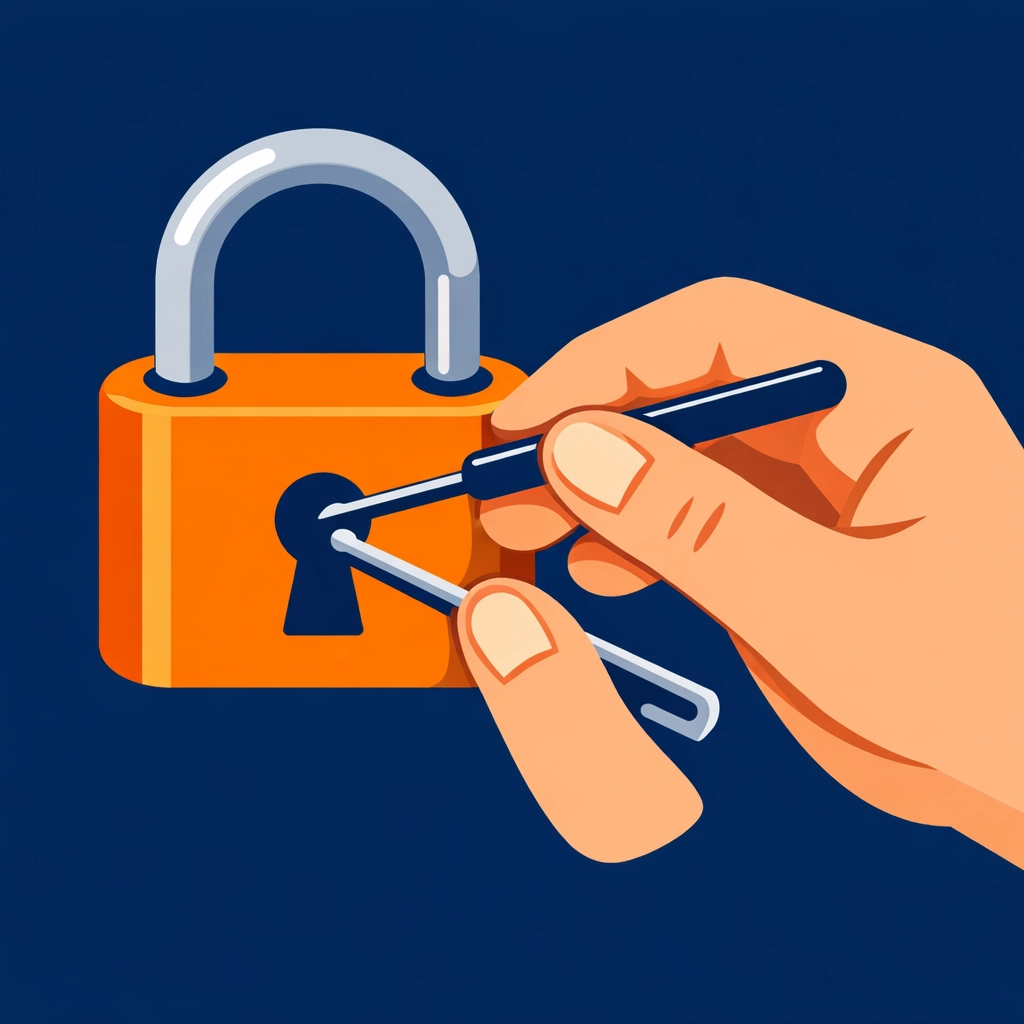
When you’re picking a lock, you’re listening with your fingers. You feel the slight click of a pin setting. You feel the resistance of a tension wrench. You know exactly when to push and when to let off.
This is what we call physical intuition. It’s a feedback loop between your brain and your muscles that takes years to master. AI lacks the sensory nuance to understand the difference between a pin that’s set and a pin that’s just stubborn.
No sensors. No haptic feedback. Just your touch.
The “Real World” Isn’t a Lab
If every door was perfectly square and every lock was brand new, maybe a robot could compete. But the real world is a nightmare of physics and poor maintenance.
Doors warp in the humidity. Foundations shift, making latches misaligned. People use the wrong lubricants (looking at you, WD-40 enthusiasts).
An AI needs a controlled environment to succeed. It needs predictable inputs. A locksmith thrives in the unpredictable. You walk up to a job and immediately notice that the frame is bowed. You realize the strike plate is 2mm too low. You adjust your approach on the fly.
AI can’t improvise. It follows a script. If the script says “turn left” and the door requires a “jiggle-then-lift-then-turn,” the AI fails.
You aren’t just a technician. You’re a problem solver in a world that refuses to be neat.
The Legacy Hardware Reality
The tech world loves to talk about “Smart Locks.” They want everything connected to the cloud. They want facial recognition and palm vein scanning.
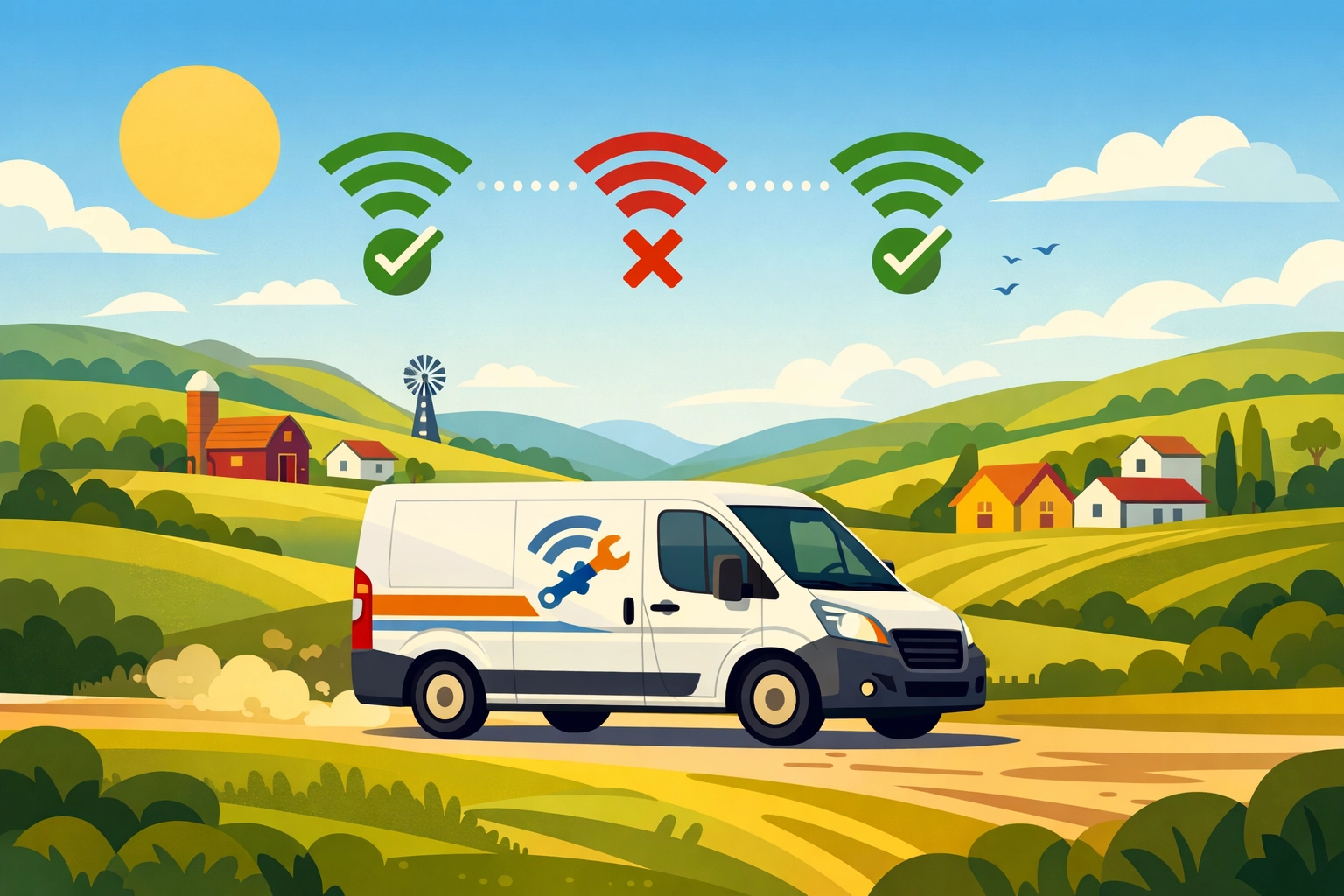
And sure, those things are growing. Research shows the smart lock market is booming. But here is the secret: someone still has to install them. And someone definitely has to fix them when the battery dies or the Wi-Fi drops.
Even more importantly, look around. Most of the world is still running on mechanical hardware. There are millions of commercial buildings and homes using locks designed decades ago.
Big Tech doesn’t care about a 50-year-old mortise lock. They want to sell you a subscription to a doorbell camera. As long as there is old brass and steel in the world, there is a need for a human who knows how it works.
No updates. No cloud. Just heavy-duty hardware.
Trust Can’t Be Programmed
Locksmithing is about more than just opening doors. It’s about trust.
When someone loses their keys or gets locked out after a breakup, they aren’t just looking for a tool. They’re looking for a professional. They need to know that the person standing at their door is licensed, insured, and ethical.
Would you trust a faceless robot with the keys to your life? Probably not.
There is a human element to security that AI can never replicate. You provide peace of mind. You offer a sympathetic ear when a customer is stressed. You make calls on the spot about whether a situation seems “off” or potentially illegal.
AI doesn’t have a gut feeling. You do.
Why We Care at Valortek Inc
You might wonder why a business consulting firm like Valortek Inc is talking about lock-picking and door frames.
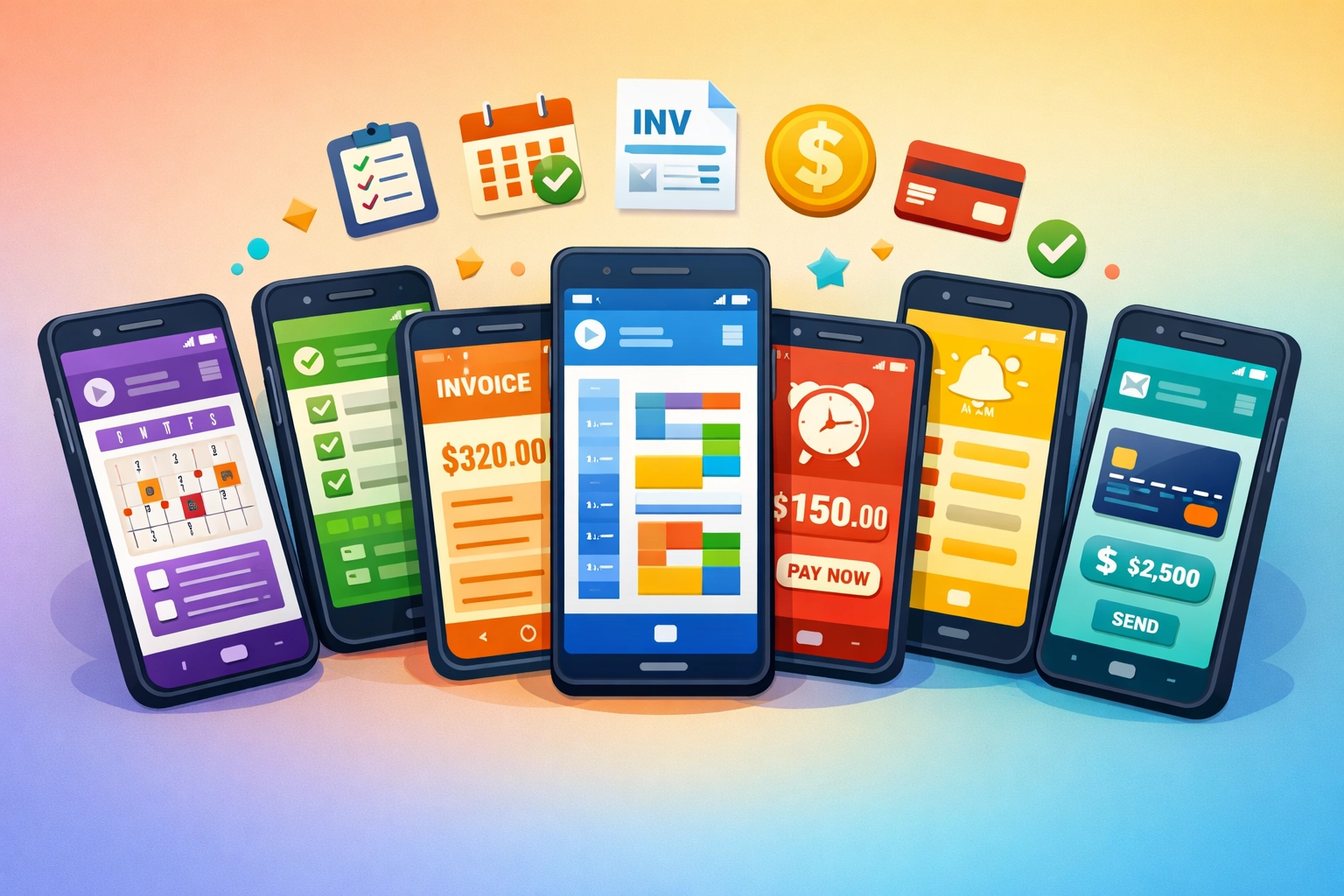
It’s simple. We believe in the power of the trades. We know that while AI is a great tool for managing your back office, it’s a terrible replacement for your front-line skills.
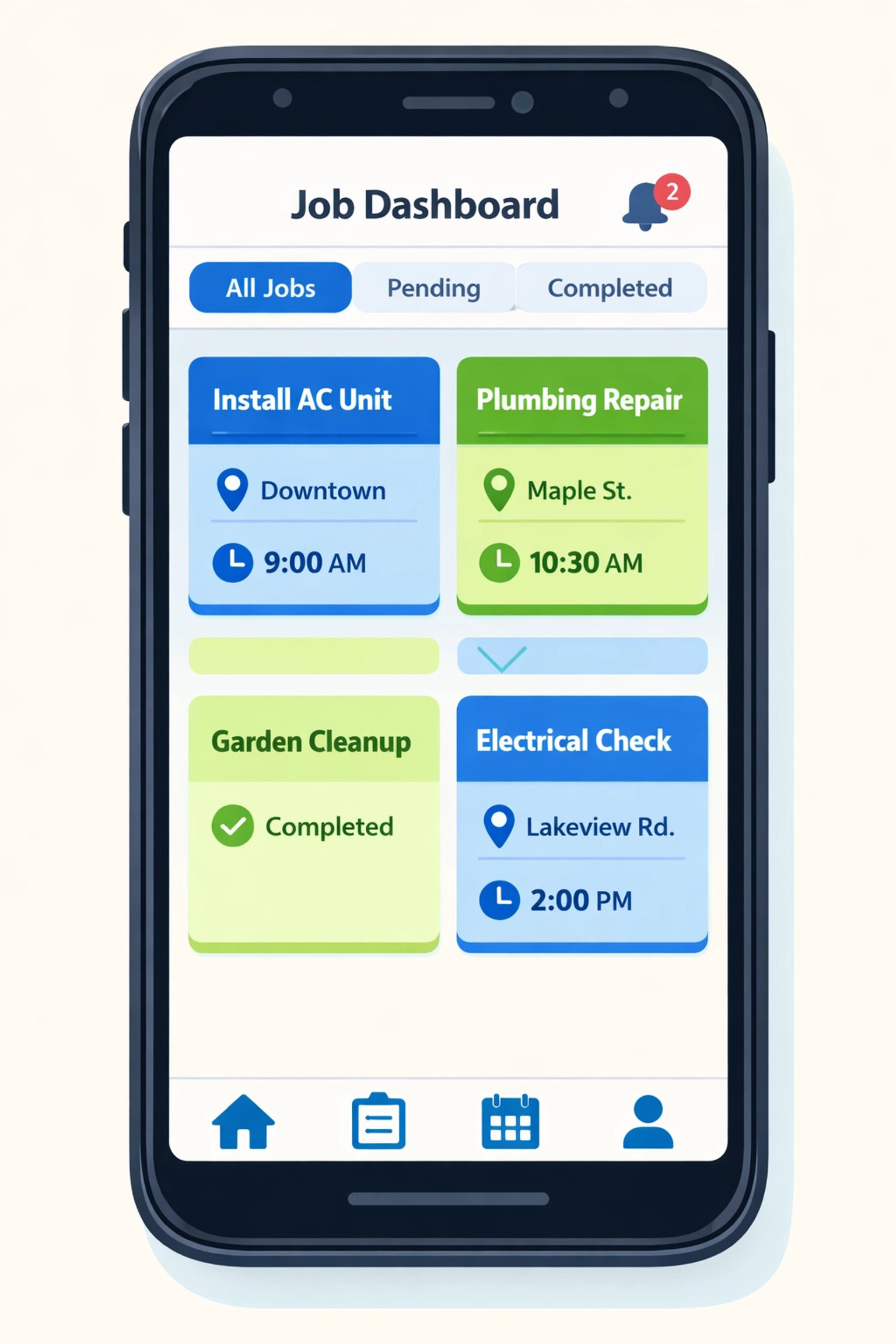
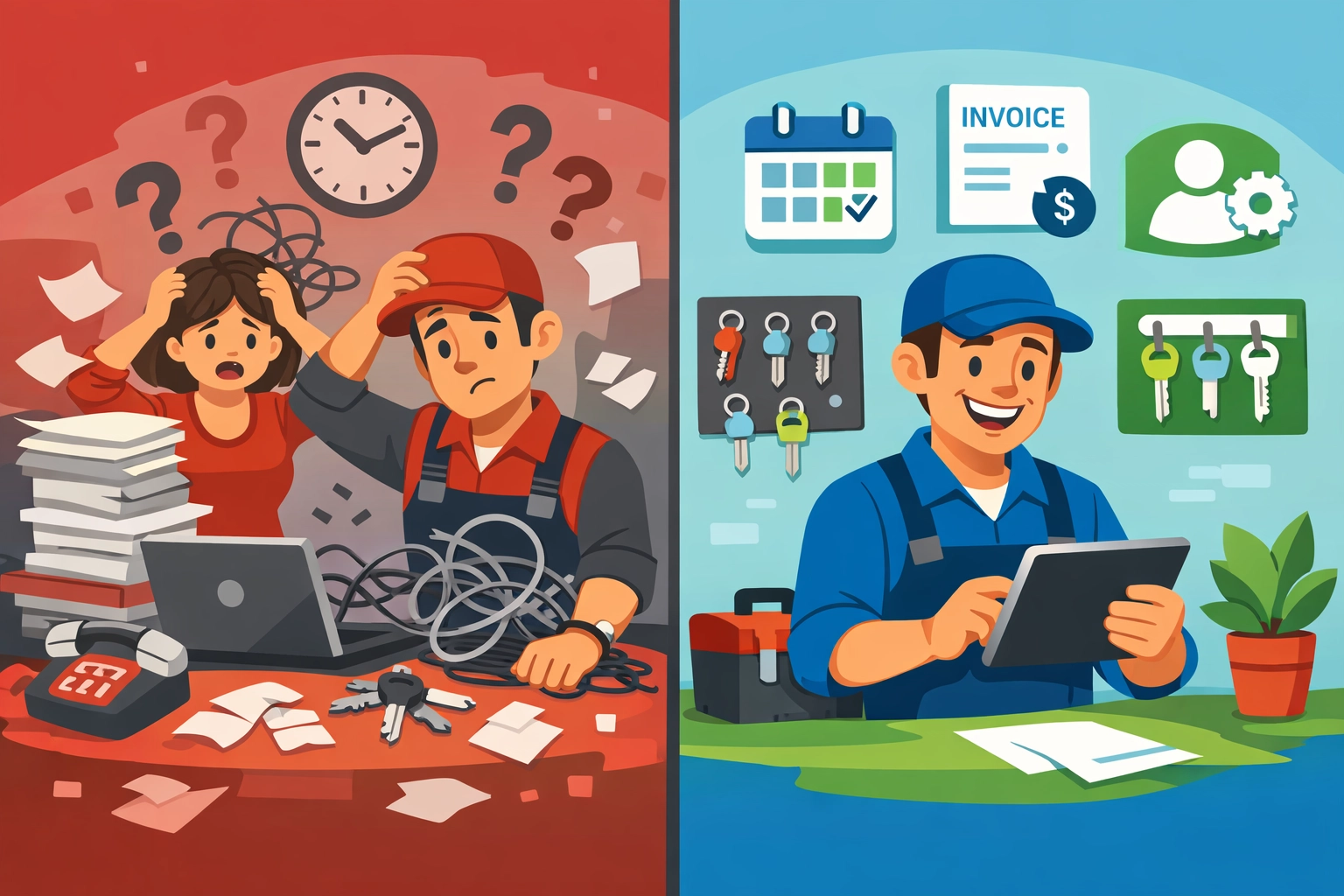
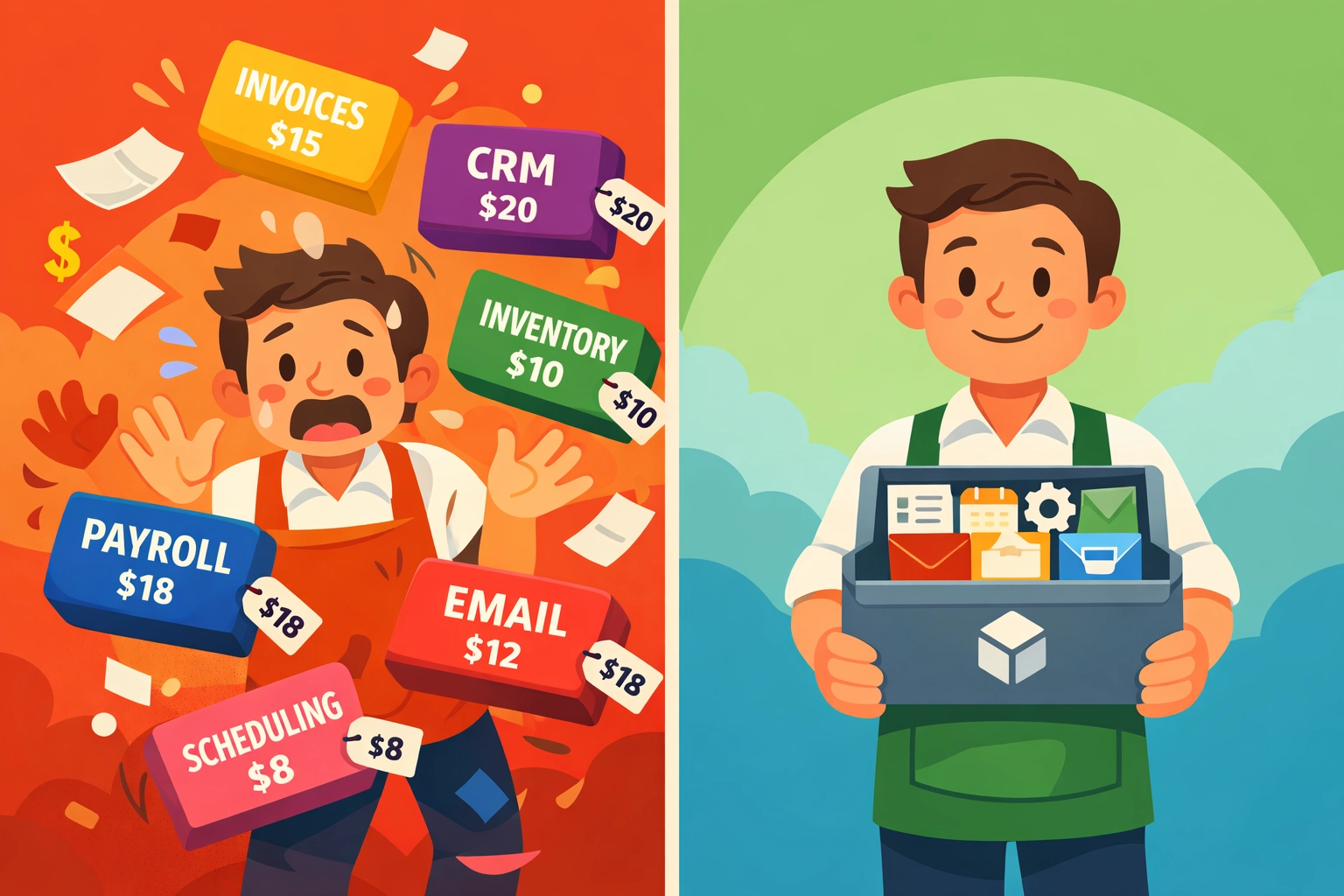
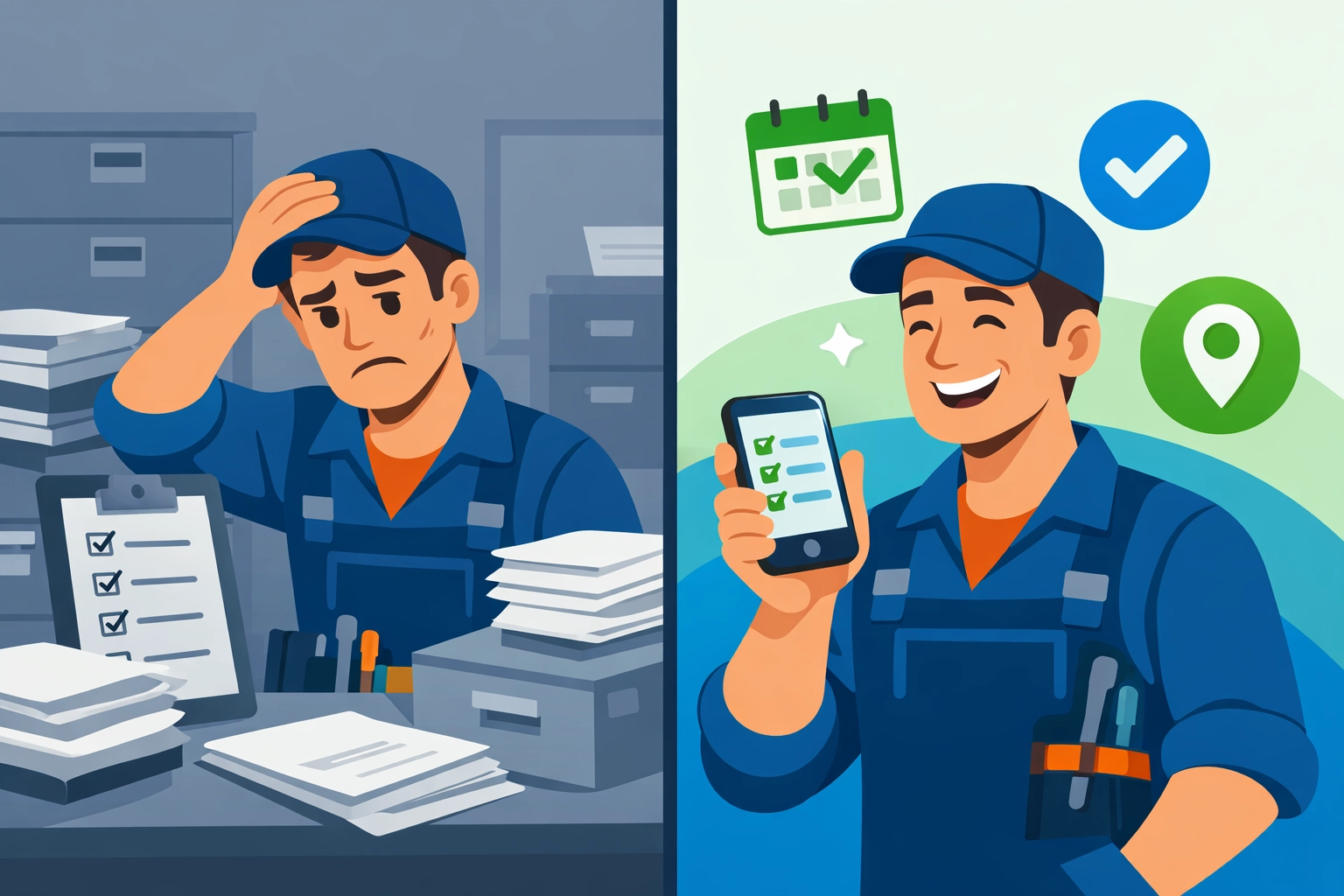
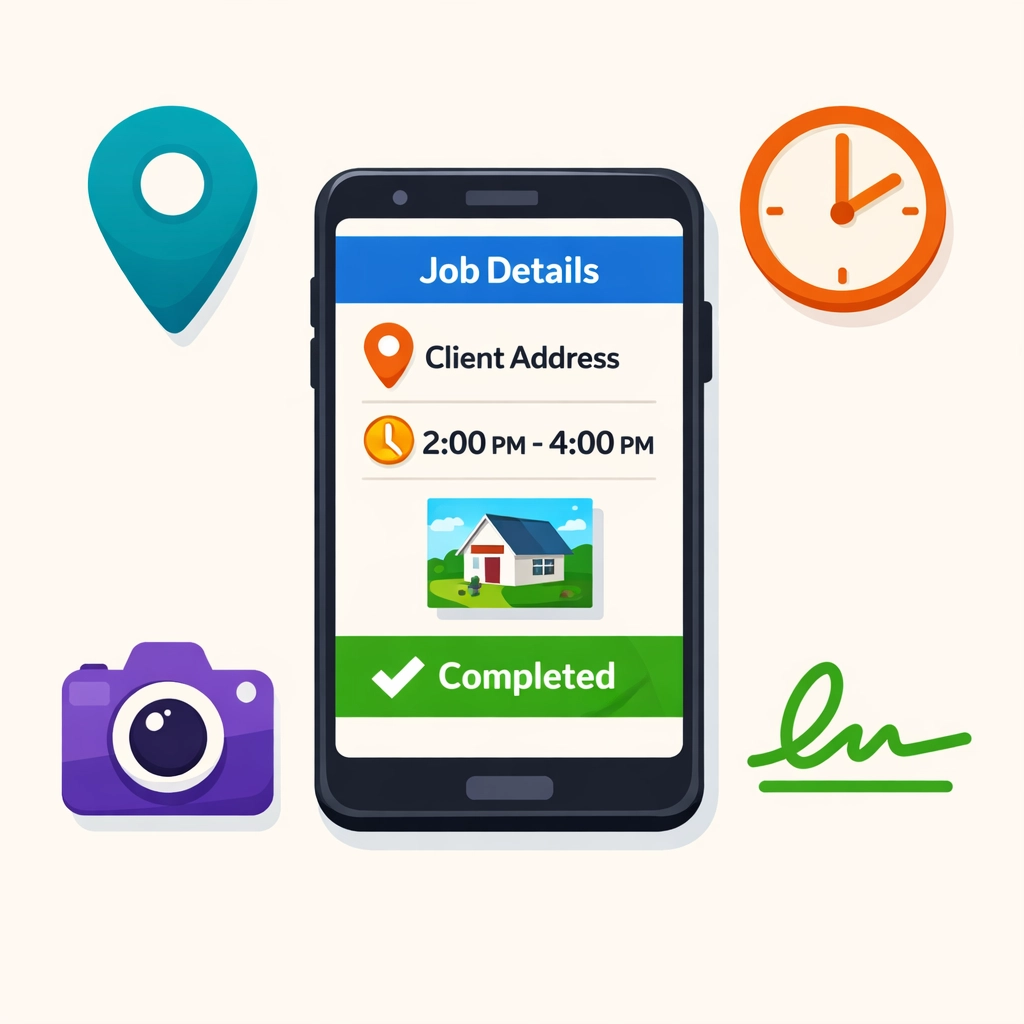
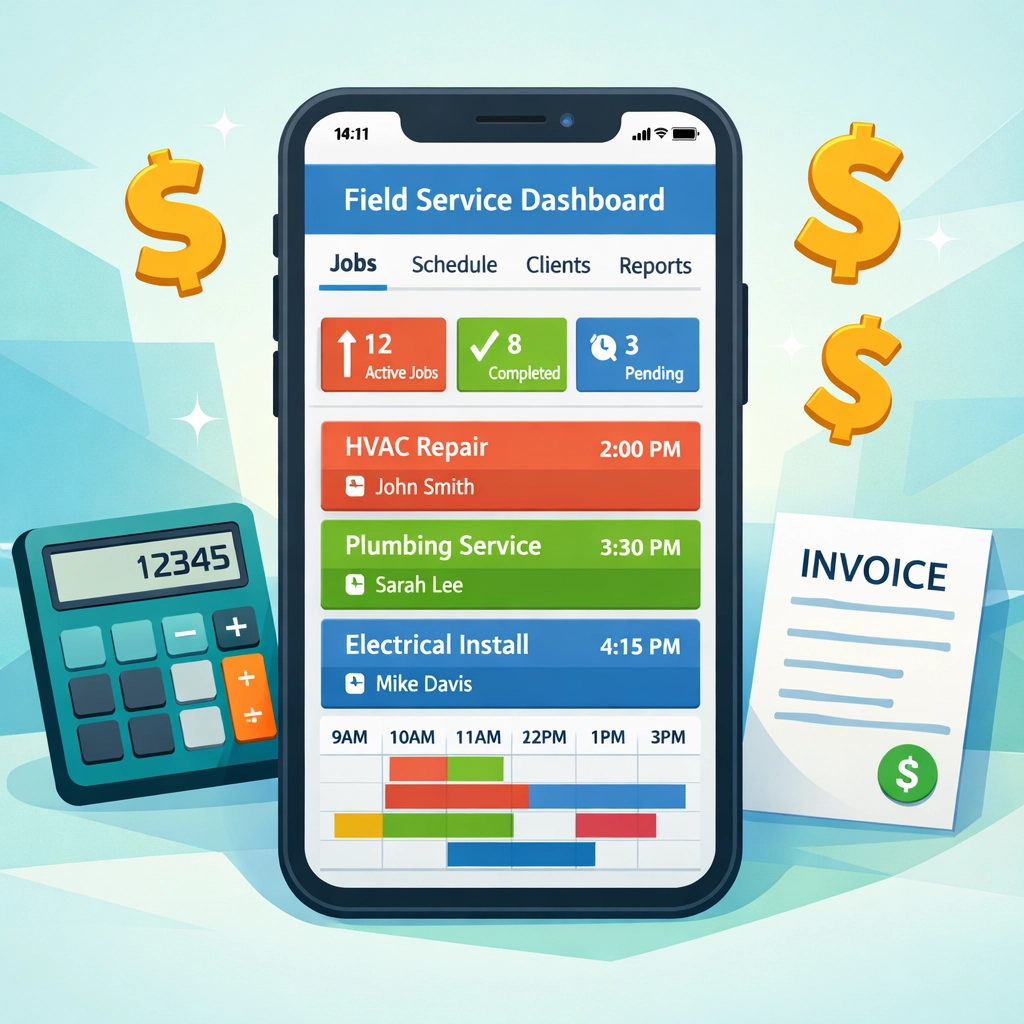
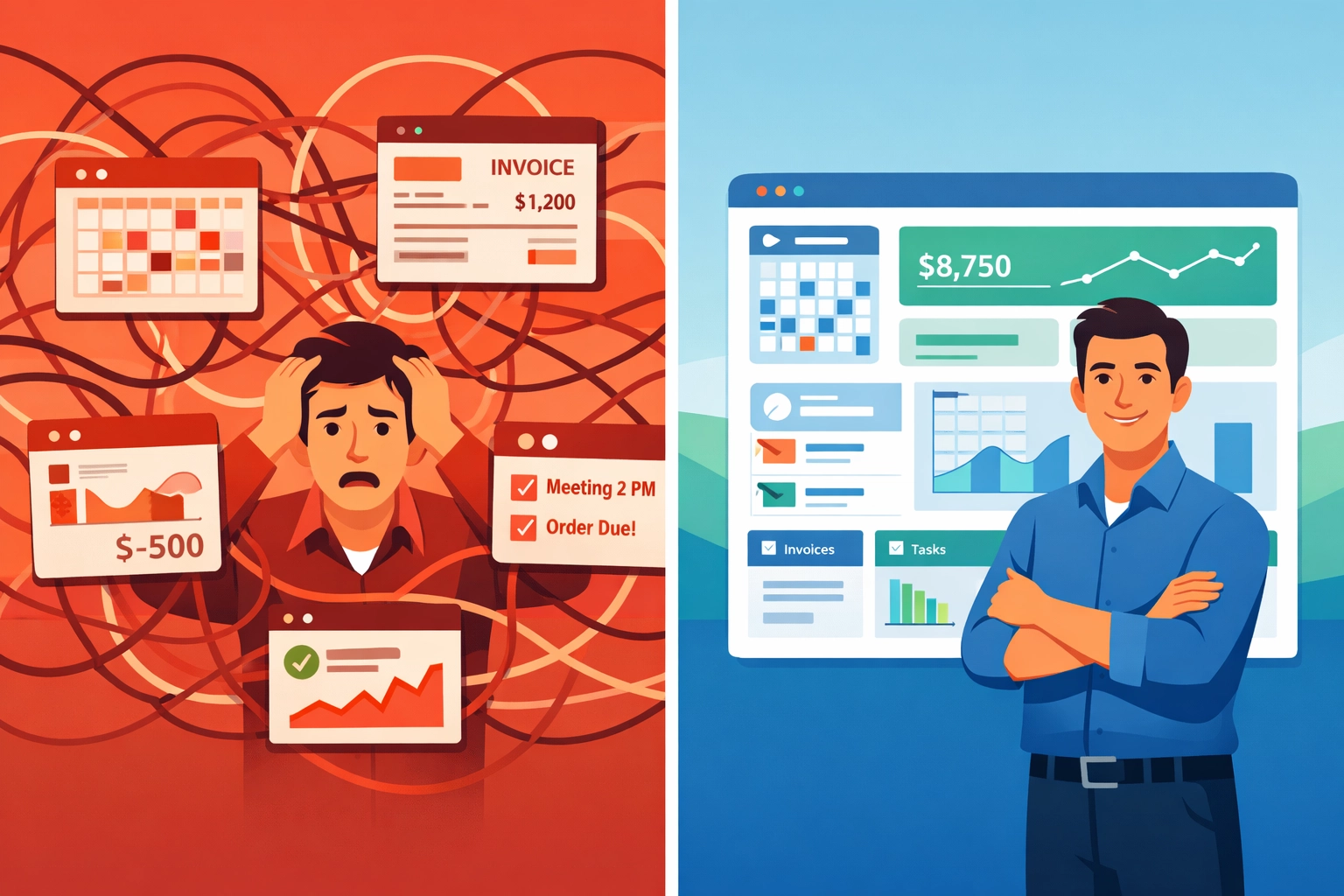
Our goal is to help you use technology to make your life easier: not to replace you. We want you out in the field doing what you do best, while our systems handle the “boring” stuff like scheduling, billing, and customer data.
We aren’t another software company trying to automate your job away. We’re partners who want to help you scale your expertise.
No fluff. No complex jargon. Just better business.
The Future is Hybrid
Does AI have a place in your shop? Absolutely.
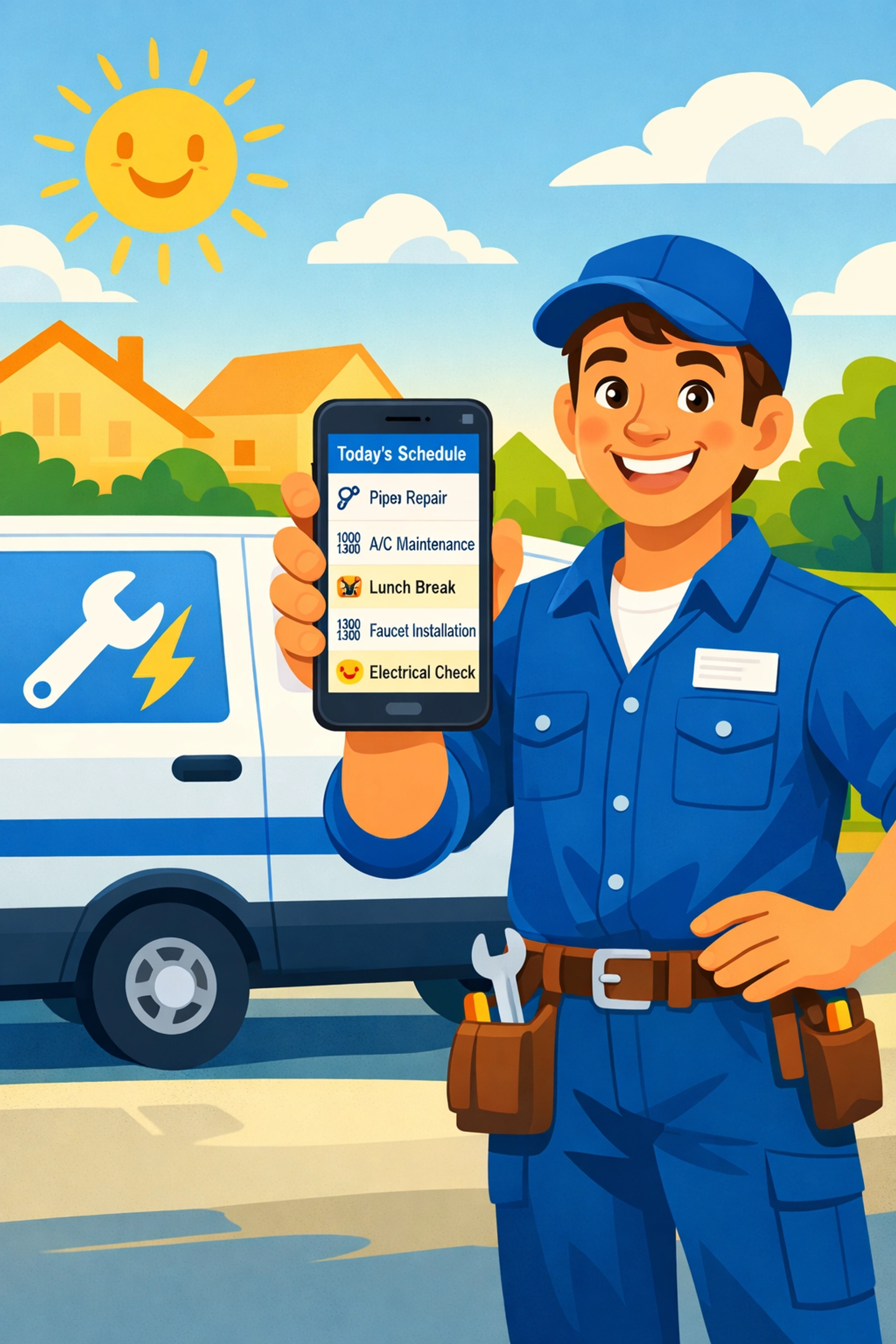
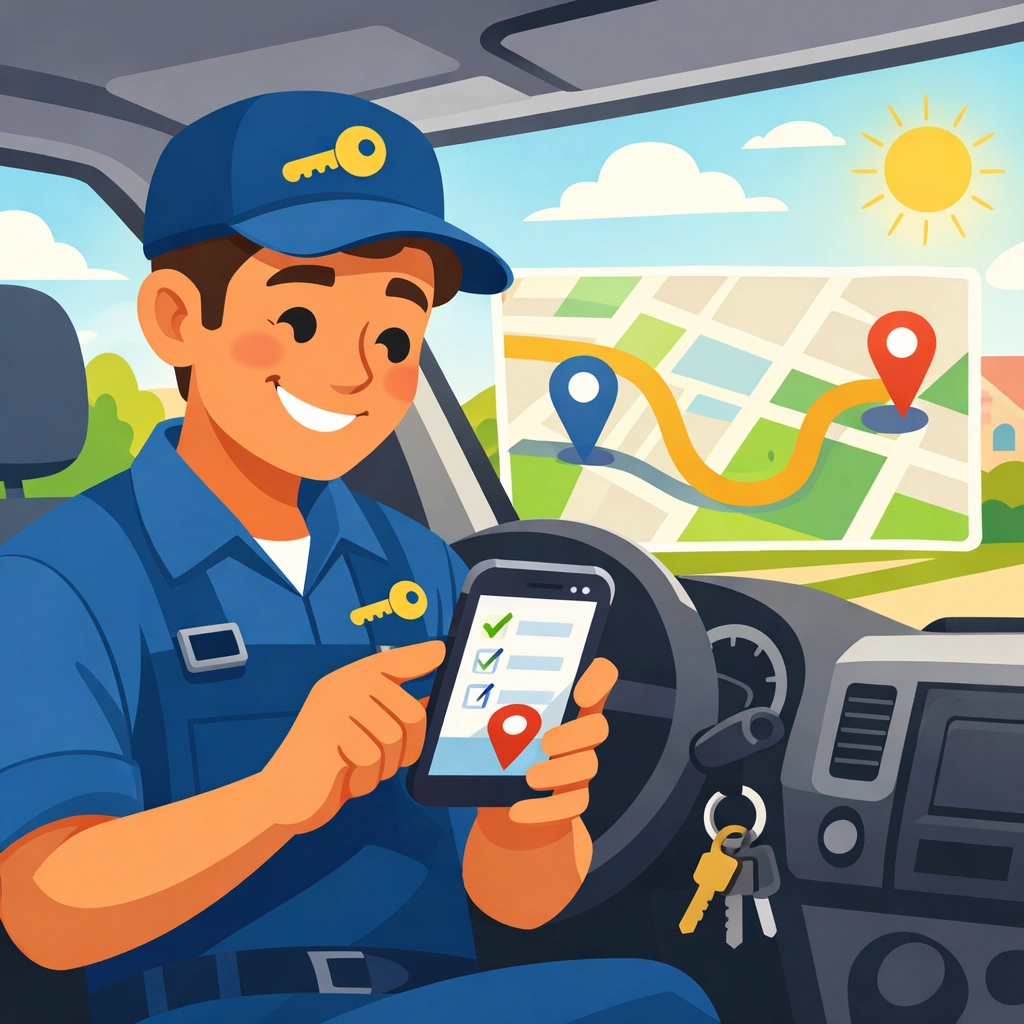
It can help you optimize your routes so you aren’t crisscrossing town in traffic. It can help you predict when your tools need maintenance. It can even help you answer basic customer questions on your website while you’re elbow-deep in a safe.
But it will never be the one holding the tension wrench.
The future of locksmithing isn’t a robot taking your job. It’s a highly skilled locksmith using smart tools to run a more profitable, efficient business.
You handle the physical world. Let us help you handle the digital one.
The Verdict
AI is a wizard at math. It’s a pro at data. It’s a genius at patterns.
But it’s a total amateur at life.
It doesn’t understand the nuance of a stuck latch. It doesn’t understand the urgency of a 3 AM lockout. And it definitely doesn’t have the “physical intuition” that defines your career.
So, take a breath. Your job isn’t going anywhere. In fact, as the world gets more digital, your physical skills become even more valuable. You are the bridge between the digital “smart” world and the physical “secure” world.
Stay sharp. Keep learning. And remember that a robot can’t replace a master’s touch.
No gimmicks. No fears. Just the trade.
If you’re ready to spend less time on your computer and more time on your craft, we should talk. We help tradespeople like you streamline their operations so the business runs itself while you’re out opening doors.
You do the hard part. We’ll do the smart part.
Questions? Contact us – we’re happy to help you decide.