Category: Industry News

  • Appliance Repair Scheduling Software: Staying Ahead of the Right-to-Repair Movement

    By Warren Peterson

    Appliance Repair Scheduling Software: Staying Ahead of the Right-to-Repair Movement

    The appliance repair industry is about to get very busy.

    The Right-to-Repair movement is gaining serious traction across the country. Twenty-seven states introduced Right-to-Repair legislation in 2025. Several passed. More are coming in 2026.

    What does this mean for your appliance repair business? More customers. More work. More complexity.

    And if you’re still running your schedule on a whiteboard or Excel spreadsheet, you’re about to get buried.

    What’s Actually Happening with Right-to-Repair

    Let’s break this down simply.

    For years, manufacturers like Samsung, LG, and Whirlpool made it nearly impossible for independent repair shops to fix their appliances. They withheld diagnostic tools. They restricted parts access. They used proprietary software locks.

    Customers had two options: pay the manufacturer’s inflated repair prices or buy a new appliance.

    The Right-to-Repair movement is changing that. New laws require manufacturers to provide independent repair shops with the same tools, parts, and documentation they give their authorized service centers.
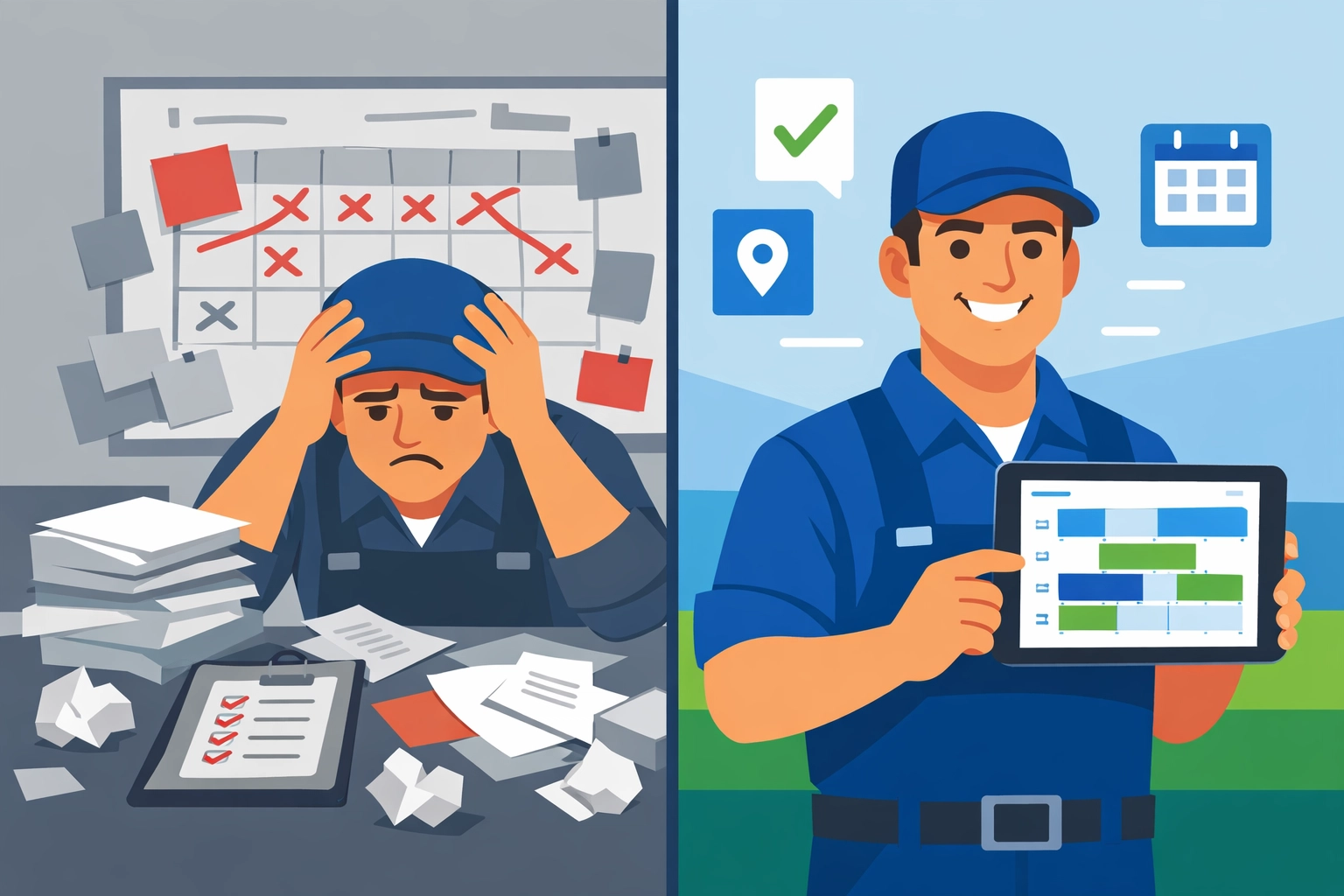
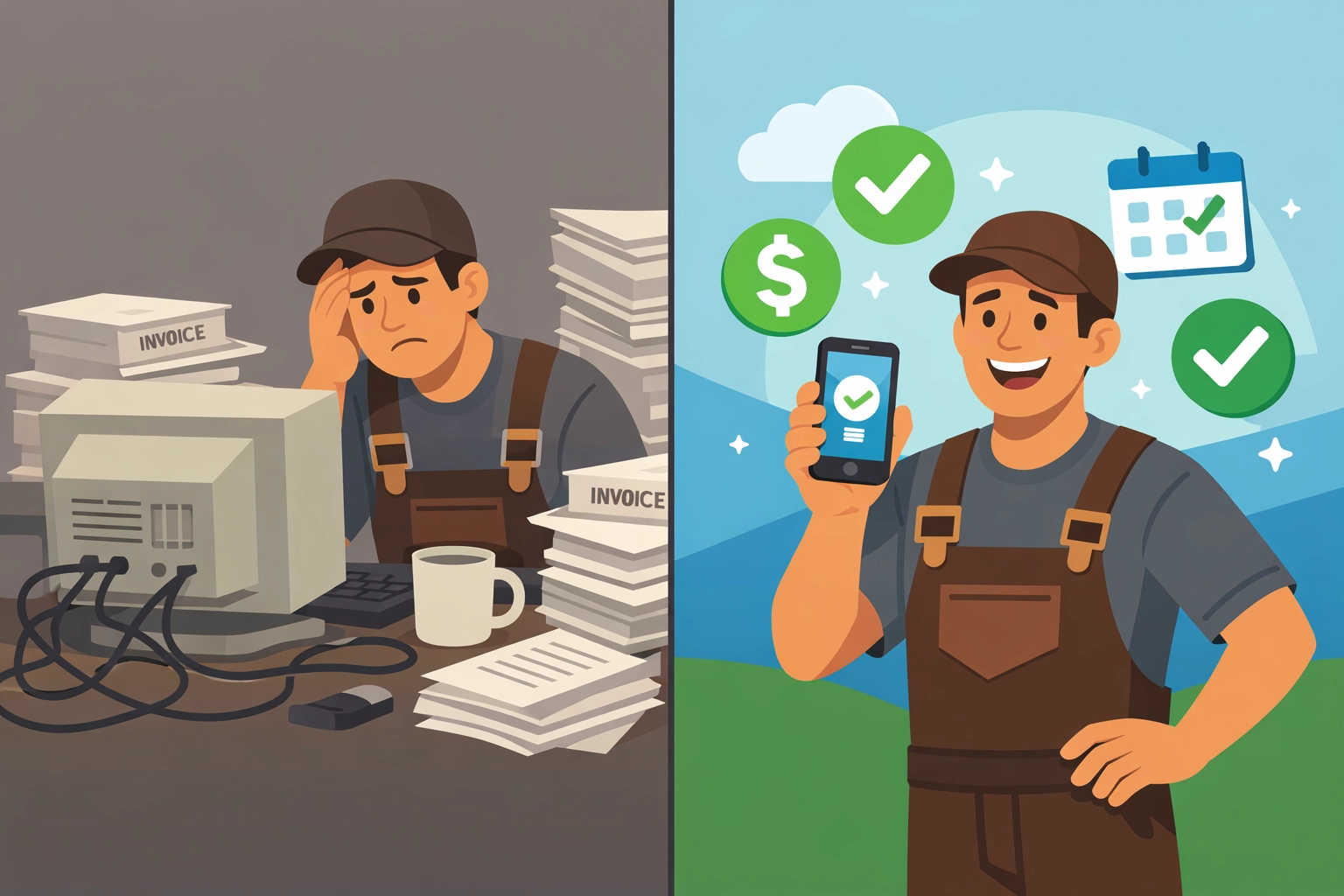
    Comparison of paper-based vs digital appliance repair scheduling software systems

    Translation: your repair shop can now fix appliances that were previously off-limits.

    That’s great for consumers. That’s great for the environment. And it’s potentially great for your business.

    But only if you’re ready to handle the surge.

    The Coming Wave of Service Requests

    Here’s what we’re seeing in states that already passed Right-to-Repair legislation.

    Independent appliance repair shops report 30-40% increases in service requests within the first year. Jobs that used to go to manufacturer-authorized centers are now coming to local shops.

    Customers are choosing local businesses over corporate service centers. They’re getting better prices. Faster service. More personal attention.

    But this creates a new problem: capacity.

    Can you handle 30-40% more jobs without adding chaos to your operation?

    Most shops can’t. Not with their current systems.

    Why Your Current System Won’t Scale

    Let’s be honest about how most appliance repair businesses schedule jobs today.

    You’ve got a paper calendar. Or a Google Calendar. Maybe a shared Excel sheet if you’re feeling fancy.

    Phone rings. You write down the customer info. You eyeball your schedule. You pick a time slot that looks open. You hope your technician is in that neighborhood. You scribble notes about what appliance needs fixing.

    It works. Until it doesn’t.

    Add 30% more jobs to that system and watch what happens. Double-bookings. Technicians driving across town multiple times per day. Customers calling because nobody showed up. Parts ordered for the wrong jobs.

    You’re not just busy. You’re drowning.

    What Appliance Repair Scheduling Software Actually Does

    Real appliance repair scheduling software handles the complexity so you don’t have to.

    Intelligent dispatch. The system knows where your technicians are. It knows what skills they have. It knows what parts are in their van. It assigns jobs based on proximity and expertise.

    No more random assignments. No more wasted drive time.

    Automated routing. Modern software optimizes routes automatically. Your technician hits four jobs in one neighborhood instead of zigzagging across the city. Studies show route optimization reduces drive time by 25-35%.

    That’s an extra job per day. Per technician.
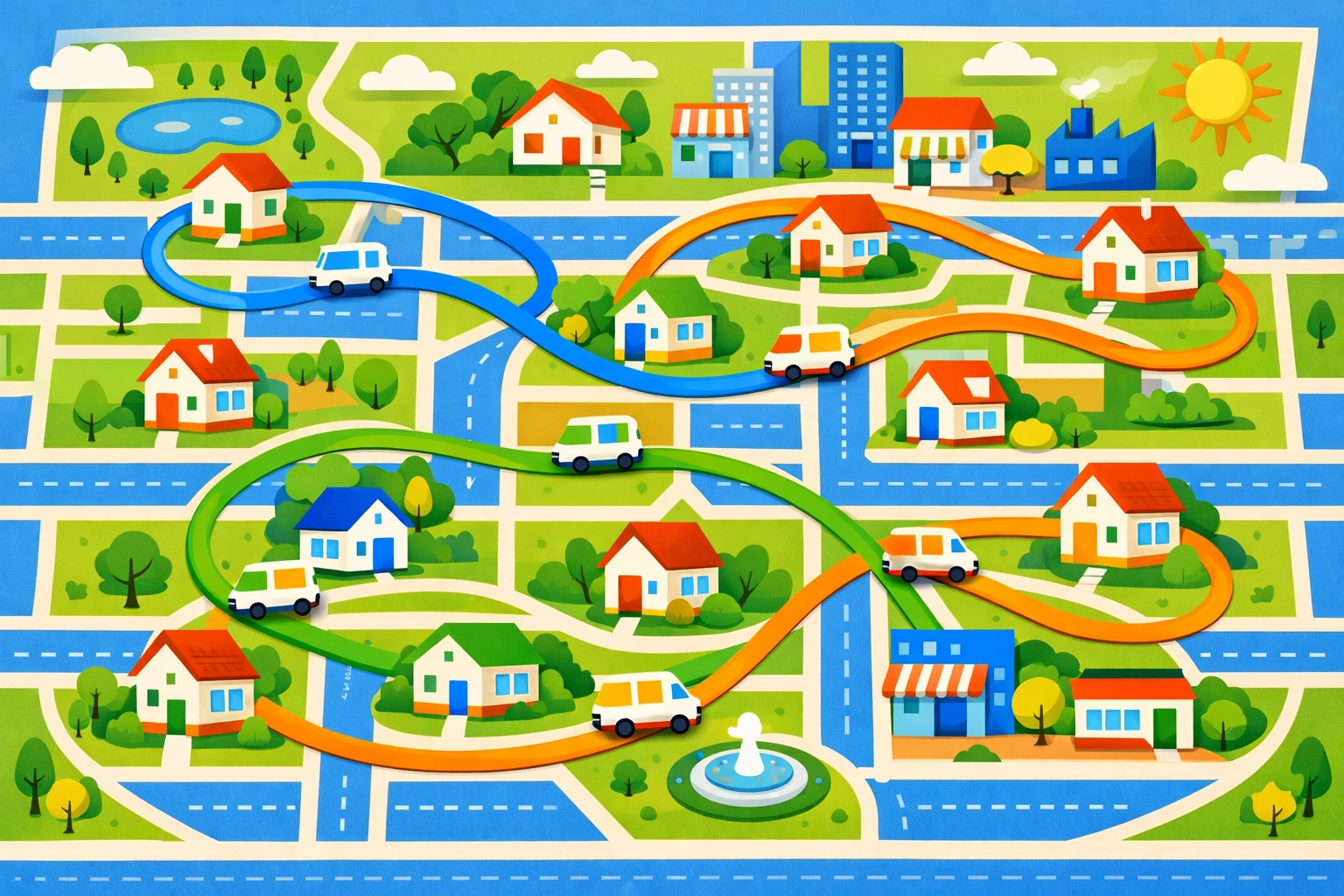
    Optimized route map showing efficient appliance repair service scheduling across neighborhoods

    Real-time updates. Job running late? The next customer gets an automated text update. Technician needs a part? They order it from their phone while standing in the customer’s kitchen. Everything syncs instantly.

    No more phone tag. No more “I’ll have to call you back.”

    Parts tracking. The system knows what parts you have in stock. What’s on each truck. What’s on order. When a customer calls about a broken refrigerator compressor, you know immediately if you can handle it today or tomorrow.

    The Invoicing Problem Nobody Talks About

    Here’s where most appliance repair shops lose money.

    You fix the appliance. The customer is happy. Your technician writes up an invoice on paper. Maybe they collect payment. Maybe they don’t. Maybe they remember to turn in the paperwork. Maybe it sits in their truck for a week.

    You’re providing great service and getting paid like garbage.

    Invoicing software for contractors solves this. The technician creates the invoice on-site using their phone. Itemized parts. Labor charges. Tax calculated automatically. Customer signs digitally. Payment processes immediately.

    Money hits your account in 24 hours instead of 30 days.

    And your books stay clean. No more hunting down paper receipts. No more reconciling credit card statements. Everything’s digital. Everything’s tracked.
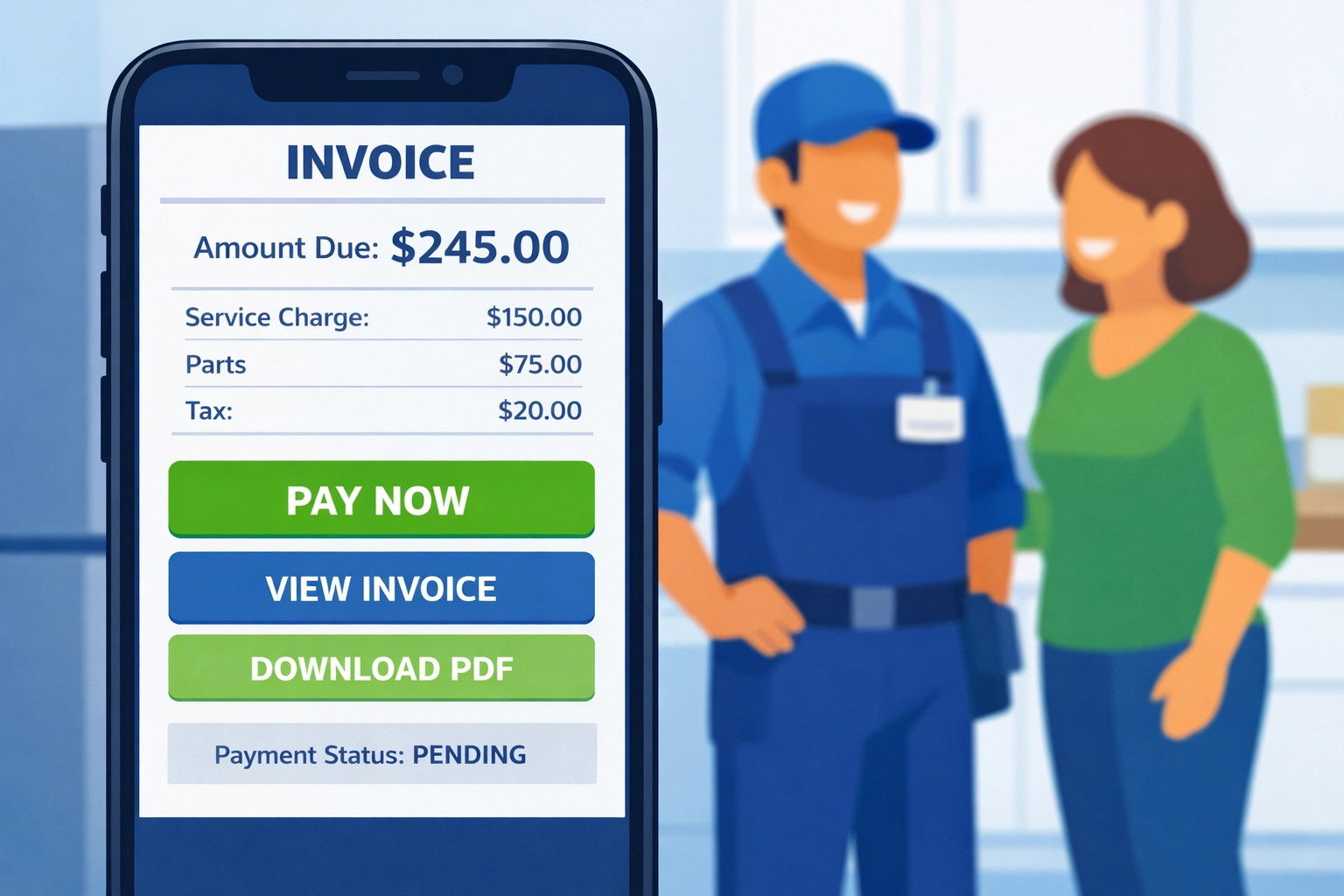
    Appliance repair technician using mobile invoicing software with customer

    Why the $99/Month Price Point Matters

    Most field service software wants $300-500 per month. Plus setup fees. Plus training fees. Plus per-user charges.

    That’s $5,000+ per year. For a small appliance repair shop, that’s a new van payment.

    Valortek’s Operations app costs $99 per month. Total.

    No setup fees. No per-user charges. No surprise add-ons. Just $99/month for everything you need to run a professional appliance repair operation.

    Scheduling. Dispatching. Route optimization. Mobile apps for technicians. Customer notifications. Parts tracking. Invoice generation. Payment processing. The whole package.

    You’re spending more on coffee than you’ll spend on software that transforms your business.

    What This Looks Like in Practice

    Let’s say you run a two-technician appliance repair shop in Denver.

    Customer calls at 9 AM. Their dishwasher is leaking. They need it fixed today because they’re hosting dinner tonight.

    You check the system. Technician Mike is finishing a job in their neighborhood at 11 AM. His next appointment isn’t until 2 PM. The system shows he has a dishwasher pump seal kit in his van.

    You book the appointment for 11:30 AM. The customer gets an automated confirmation text with Mike’s photo and estimated arrival time.

    Mike finishes his morning job. The app shows him the new appointment is 8 minutes away. It provides turn-by-turn directions. He arrives at 11:28 AM.

    He fixes the dishwasher in 45 minutes. Creates the invoice on his phone. The customer pays with a credit card. Digital signature. Done.

    The customer gets a receipt via email. You get a notification that the job is complete and paid. Mike sees his next appointment is 6 miles west and he’s got 45 minutes to get there.
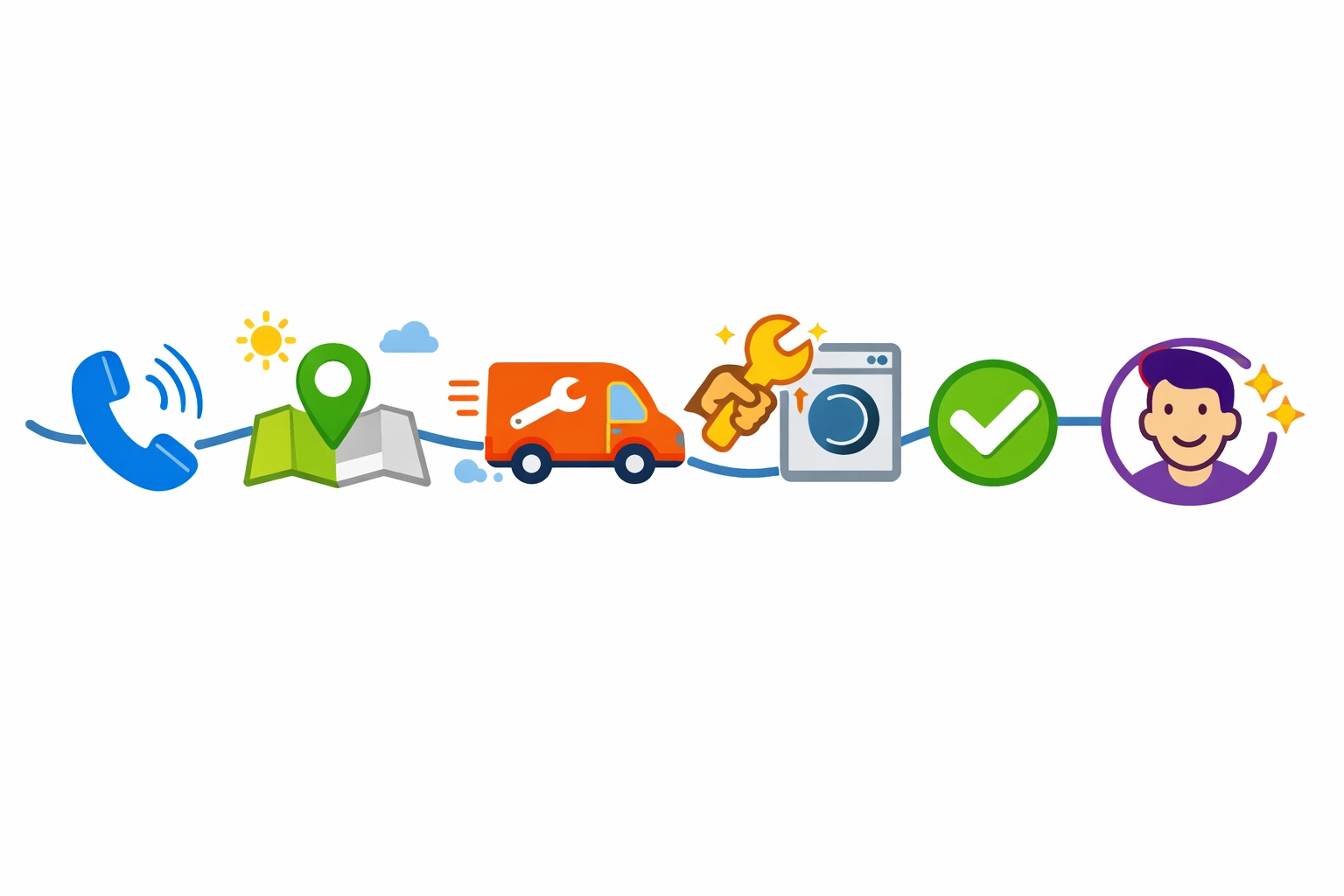
    Step-by-step workflow of appliance repair business from customer call to completed job

    No calls. No confusion. No unpaid invoices. Just smooth, professional service.

    That’s what appliance repair scheduling software makes possible.

    The Right-to-Repair Opportunity Won’t Wait

    Here’s the reality.

    Right-to-Repair laws are spreading. More states in 2026. More states in 2027. This isn’t going away.

    Independent appliance repair shops that get organized now will dominate their markets. They’ll capture the surge of new customers. They’ll build reputations for fast, professional service. They’ll grow.

    Shops that stick with paper calendars and chaotic scheduling will struggle. They’ll miss appointments. Frustrate customers. Lose money on inefficient routes. Fall behind.

    The opportunity is right now. Not next quarter. Not next year. Now.

    Getting Started Is Simpler Than You Think

    You don’t need to be a tech genius to use modern appliance repair scheduling software.

    The good systems work like the apps you already use every day. Intuitive interfaces. Mobile-friendly. Designed for people who fix appliances, not people who write code.

    Valortek’s Operations app takes about 30 minutes to set up. Add your technicians. Import your customer list (if you have one). Start booking jobs.

    Your technicians download the mobile app. They get a 10-minute walkthrough. They’re booking jobs and creating invoices by lunchtime.

    No complicated training. No IT consultants. No disruption to your business.

    Just better operations starting today.

    Stop Guessing, Start Growing

    The appliance repair industry is changing fast.

    Right-to-Repair laws are opening up markets. Customers are choosing local shops over corporate centers. There’s more work available than ever before.

    But you can’t grow if you’re stuck managing chaos.

    Appliance repair scheduling software and invoicing software for contractors aren’t luxuries anymore. They’re requirements for running a professional operation that can scale.

    Get your systems right. Capture the opportunity. Build the business you’ve been working toward.

    Start Your Free Trial

    Questions? Contact us – we’re happy to help you decide.
  • Electrician Scheduling Software: Adapting to the EV Charging Boom in 2026

    Author: Warren Peterson

    Electrician Scheduling Software: Adapting to the EV Charging Boom in 2026

    The EV charging market isn’t coming. It’s already here.

    Every residential electrician we talk to is booking EV charger installations weekly. Some daily. And if you’re not set up for it, you’re leaving money on the table.

    But here’s the problem: your current electrician scheduling software probably wasn’t built for this. It was built for service calls and one-off repairs. Not for the complexity that comes with high-volume EV infrastructure work.

    The EV Charging Boom Changes Everything

    The numbers don’t lie. EV sales are exploding, and every single one of those vehicles needs a charger installed at home or work.

    Federal and state governments are throwing money at this. Tax credits. Rebates. Incentives at every level. Your customers are getting thousands back on installations.

    That’s great for business. But it also means more paperwork, more compliance tracking, and more coordination than a typical electrical job.

    Electric vehicle charging station installed at residential home driveway at dusk

    Traditional electrician scheduling software handles dispatch and calendars just fine. What it doesn’t handle? Rebate tracking. Multi-location commercial installations. Route optimization for 10+ charging station jobs in one day.

    What Electricians Actually Need Right Now

    No fluff. No enterprise bloatware. Just tools that work.

    Here’s what matters for EV charging work:

    Fast Quoting with Pre-Configured Options. Your customers don’t know what Level 2 charger they need. You do. Your software should let you quote it in under 5 minutes with all the right gear already in the system.

    Rebate and Incentive Tracking. Every job has different federal, state, and utility incentives. You need to know which ones apply and how to document them correctly. Manually tracking this in spreadsheets is a nightmare.

    Route Optimization. When you’re doing 5 residential installs in one day, you can’t afford to zigzag across town. You need software that maps your jobs and builds the most efficient route automatically.

    Mobile-First Field Operations. Your techs need to complete checklists, take photos, record test results, and get sign-off on site. If they’re coming back to the office to do paperwork, you’re wasting time.

    Multi-Location Coordination. Commercial EV charging jobs aren’t one-and-done. You’re installing 10, 20, 50 chargers across multiple properties. Your scheduling software needs to handle that complexity without breaking.

    Electrician comparing manual paperwork to modern scheduling software on tablet

    The old way was booking one job, sending one tech, closing one ticket. The EV charging boom requires a different approach.

    Field Service Management Software Isn’t Built for This

    Let’s be honest. ServiceTitan, Housecall Pro, Jobber: they’re solid platforms. They do what they’re designed to do.

    But they weren’t designed for EV charging infrastructure.

    They’re built for HVAC companies and plumbers running standard service calls. Drag-and-drop calendars. GPS dispatch. Live technician tracking. Job automation.

    All good features. All necessary. But none of them solve the EV-specific problems electricians face every single day.

    You end up bolting on workarounds. Custom fields. Manual spreadsheets. Third-party integrations that break every other month.

    That’s not a solution. That’s a Band-Aid.

    Valortek Ops: Built for Electricians Who Do EV Work

    We’re not trying to be everything to everyone. We’re not an enterprise platform with 400 features you’ll never use.

    We built Valortek Ops for trade contractors who need simple, powerful tools to run their field operations. And that includes electricians handling the EV charging surge.

    Here’s what you get at $99/month:

    Job Scheduling & Dispatch – Assign jobs, track techs in real-time, optimize routes automatically.

    Mobile App for Techs – Complete jobs, take photos, collect signatures, all from their phone.

    Invoicing & Payments – Generate invoices on site, accept payments immediately, no waiting.

    Customer Management – Track job history, notes, follow-ups, all in one place.

    Reporting & Analytics – See what’s working, what’s not, where your money is going.

    Route optimization map showing electrician van traveling to multiple EV charger installation sites

    No contracts. No setup fees. No per-user charges that nickel-and-dime you as you grow.

    Just straightforward software that helps you book more EV charging jobs and complete them faster.

    Real Talk: What You Should Be Doing Right Now

    The EV charging market is still young. That means there’s opportunity if you move fast.

    Get certified. Every major charger manufacturer offers installer certifications. Tesla, ChargePoint, JuiceBox: get certified on the top brands your customers are buying.

    Partner with local utilities. Many utility companies have approved installer lists for rebate programs. Get on those lists and you’ll get referrals automatically.

    Train your team on incentives. Your customers don’t understand the rebate landscape. If you can walk them through federal tax credits, state rebates, and utility incentives, you become the trusted advisor. That’s how you win jobs.

    Upgrade your scheduling software. If you’re still using paper schedules or basic calendar apps, you’re going to get crushed when volume picks up. Get ahead of it now.

    Market yourself as an EV installer. Update your website. Post on social media. Let your existing customers know you do EV charging work. Most people default to the first electrician they find when they buy an EV.

    The electricians winning right now are the ones treating EV charging like a core service, not a side hustle.

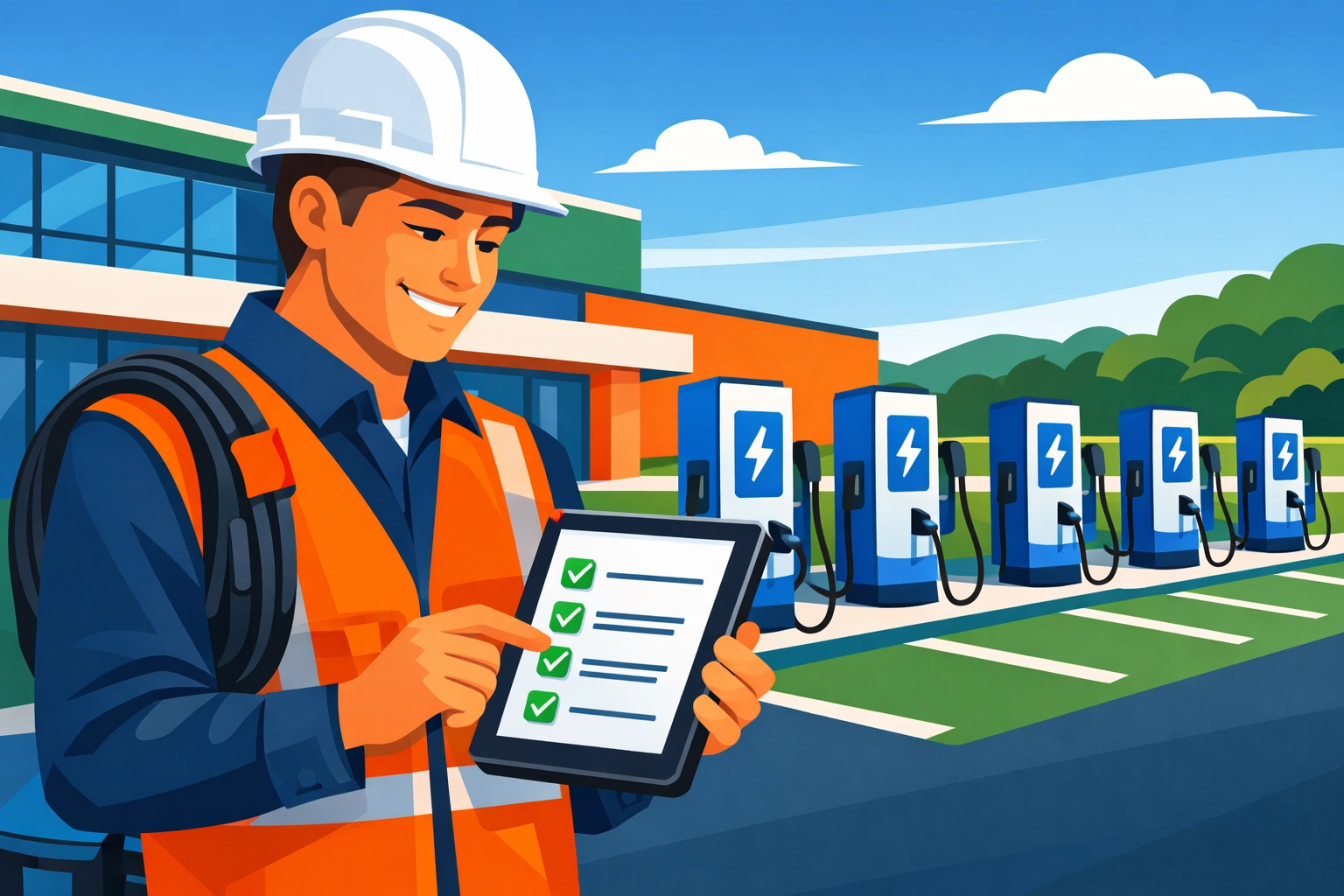
    Electrician using mobile field service app at commercial EV charging station installation

    The Bottom Line

    The EV charging boom isn’t going away. It’s accelerating.

    Every month, more EVs hit the road. Every month, more homeowners and businesses need charging infrastructure. Every month, the electricians who are ready for this work are booking out further in advance.

    Your electrician scheduling software should make this easier, not harder.

    Traditional field service management software gets you halfway there. But if you’re serious about capturing EV work, you need tools built for the complexity that comes with it.

    Valortek Ops gives you everything you need to schedule, dispatch, complete, and invoice EV charging jobs without the bloat of enterprise platforms.

    $99/month. No contracts. Built for electricians who want to grow without getting buried in admin work.

    The opportunity is massive. The question is whether you’re set up to take advantage of it.

    Start Your Free Trial

    Questions? Contact us – we’re happy to help you decide.

  • HVAC Scheduling Software and The Green Revolution: 2026 Industry Trends You Can not Ignore

    Author: Warren Peterson

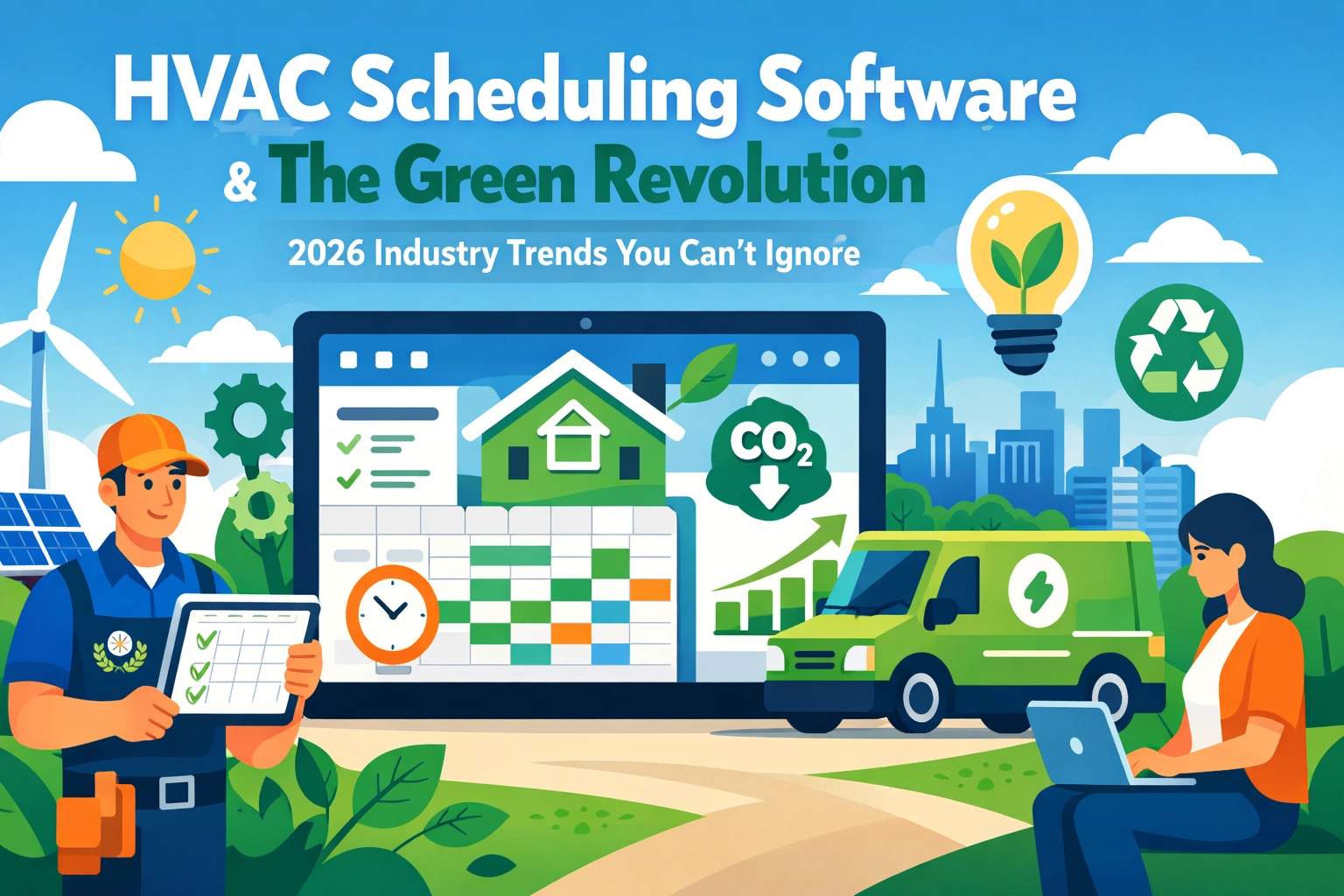
    HVAC Scheduling Software & The Green Revolution: 2026 Industry Trends You Can't Ignore

    The HVAC industry is changing faster than a thermostat on a July afternoon.

    New refrigerant regulations. Heat pump mandates. Energy efficiency standards tightening every year. If you’re running an HVAC business in 2026, you’re not just installing air conditioners anymore: you’re on the front lines of the green revolution.

    And here’s the thing: Your scheduling software either helps you adapt or holds you back.

    Let’s talk about what’s actually happening in the field right now.

    The Green Pressure Is Real (And Getting More Intense)

    2026 isn’t 2020. The rules have changed.

    Refrigerants like R-410A are being phased out. Heat pumps are becoming the default in new construction. Customers are asking about ENERGY STAR ratings and carbon footprints. Some states are offering rebates that make energy-efficient installs way more attractive.

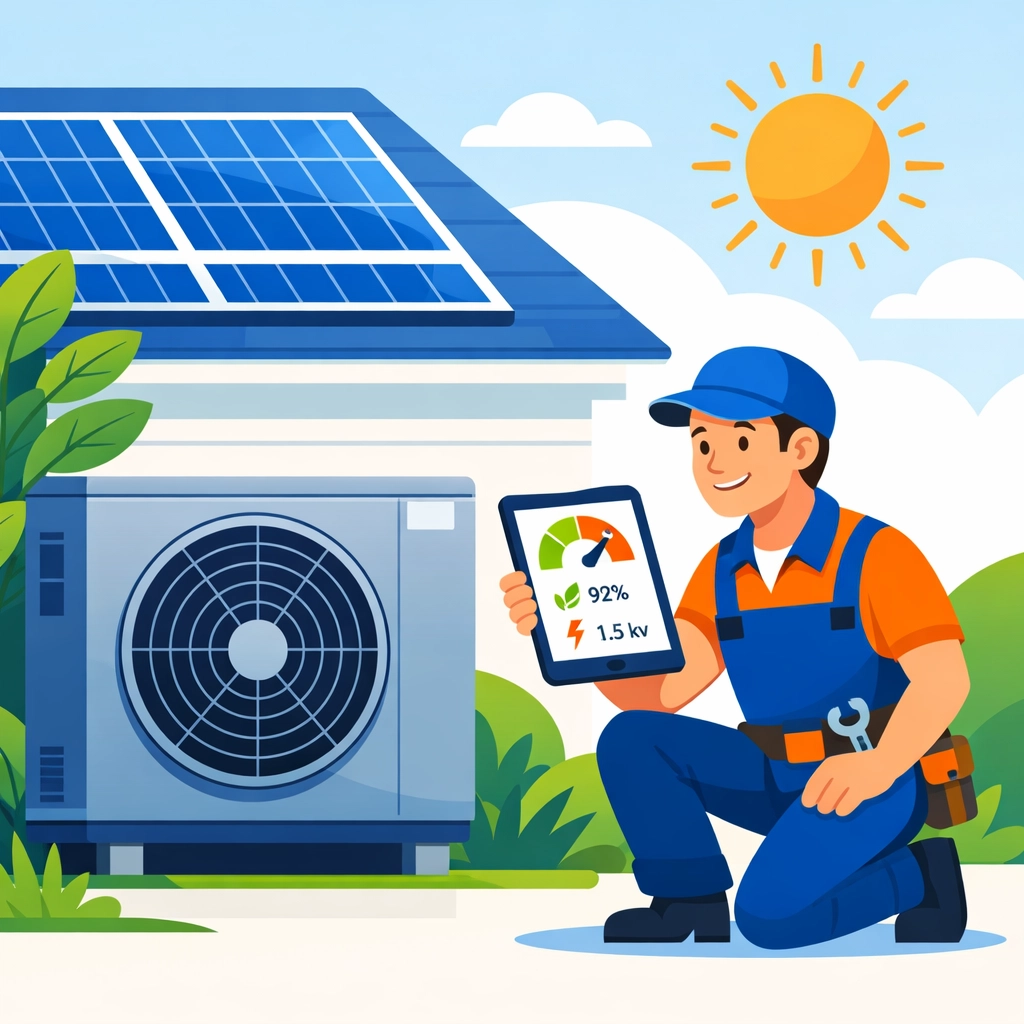
    HVAC technician installing energy-efficient heat pump with solar panels on eco-friendly home

    Your competition is already adapting. They’re training techs on heat pump installations. They’re stocking eco-friendly refrigerants. They’re marketing themselves as “green HVAC specialists.”

    But here’s what most HVAC business owners miss: Going green isn’t just about the equipment you install. It’s about how efficiently you run your operation.

    Every unnecessary truck roll burns fuel. Every delayed service call means a customer’s inefficient system runs longer. Every missed maintenance appointment means equipment running at 70% efficiency instead of 95%.

    That’s where HVAC scheduling software comes in.

    How Field Service Scheduling Software Impacts Your Carbon Footprint

    Most people don’t connect the dots between software and sustainability.

    But think about it. Every time your dispatcher sends a tech across town when there was someone closer, that’s wasted fuel. Every time a job runs long because the tech didn’t have the right parts, that’s another trip.

    Modern field service scheduling software fixes this stuff automatically.

    GPS route optimization saves 2-4 hours per technician daily, according to industry data. That’s not just time: that’s gallons of gas, wear on vehicles, and carbon emissions.

    Real-time technician tracking means smarter dispatching. The system knows exactly where everyone is and can route emergency calls to the closest available tech.

    Mobile-first platforms eliminate paperwork and office visits. Your techs get job details, customer history, and equipment specs right on their phones. They complete work orders in the field and move straight to the next job.

    Less driving. Fewer return visits. Better first-time fix rates.

    That’s efficiency that helps the planet and your bottom line.

    The 2026 Trends Smart HVAC Companies Are Using

    Let’s get specific about what’s working right now.

    AI-Powered Scheduling That Actually Learns

    The best HVAC scheduling software in 2026 doesn’t just track appointments: it learns from them.

    AI systems analyze your historical data. They know which techs are fastest at heat pump installs. They know which jobs typically need two people. They predict when maintenance calls might turn into repair jobs.

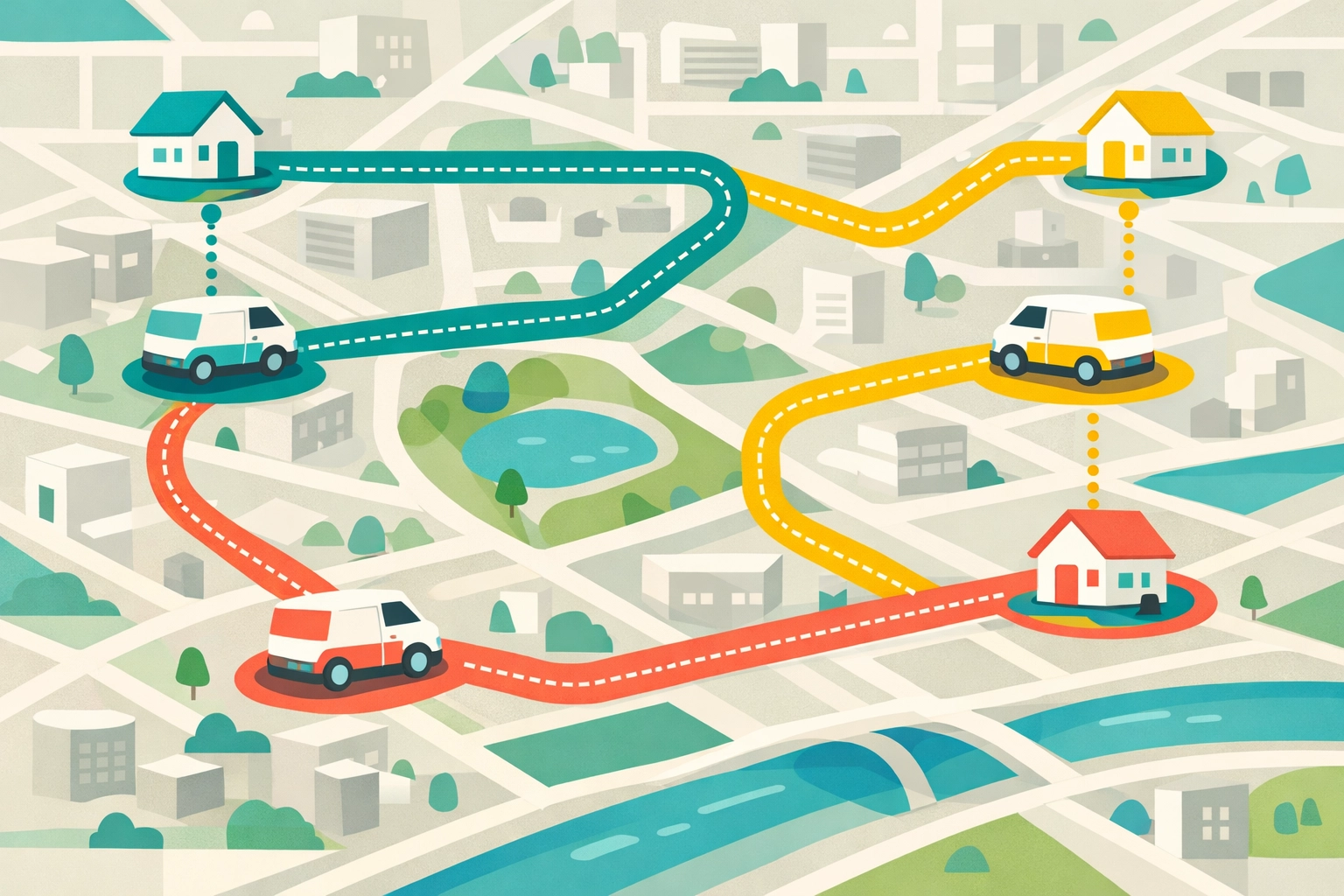
    GPS route optimization map showing HVAC service vehicles and scheduled appointments across city

    This means better scheduling decisions without you micromanaging everything. The system automatically assigns jobs based on skill, location, and workload.

    Some platforms even include AI phone answering that captures emergency calls 24/7 and adds them to the schedule instantly.

    Predictive Maintenance Integration

    Here’s where green tech and smart software really overlap.

    Predictive maintenance tools track equipment performance over time. They flag systems that are losing efficiency before they break down completely.

    For your business, this means you can schedule proactive service calls before customers even notice a problem. You fix small issues before they become expensive emergencies.

    For the environment, this means HVAC systems running at peak efficiency instead of limping along at reduced capacity.

    Your customers save money on energy bills. You build stronger relationships. The planet gets fewer inefficient systems burning extra power.

    Everybody wins.

    Mobile-Everything With Offline Capabilities

    Field techs don’t always have perfect cell service in basements and mechanical rooms.

    The top HVAC scheduling software platforms in 2026 work offline. Techs can access job details, complete work orders, capture photos, and even process payments without connectivity. Everything syncs automatically when they’re back online.

    This eliminates the “I’ll update that when I get back to the office” problem that leads to incomplete records and billing delays.

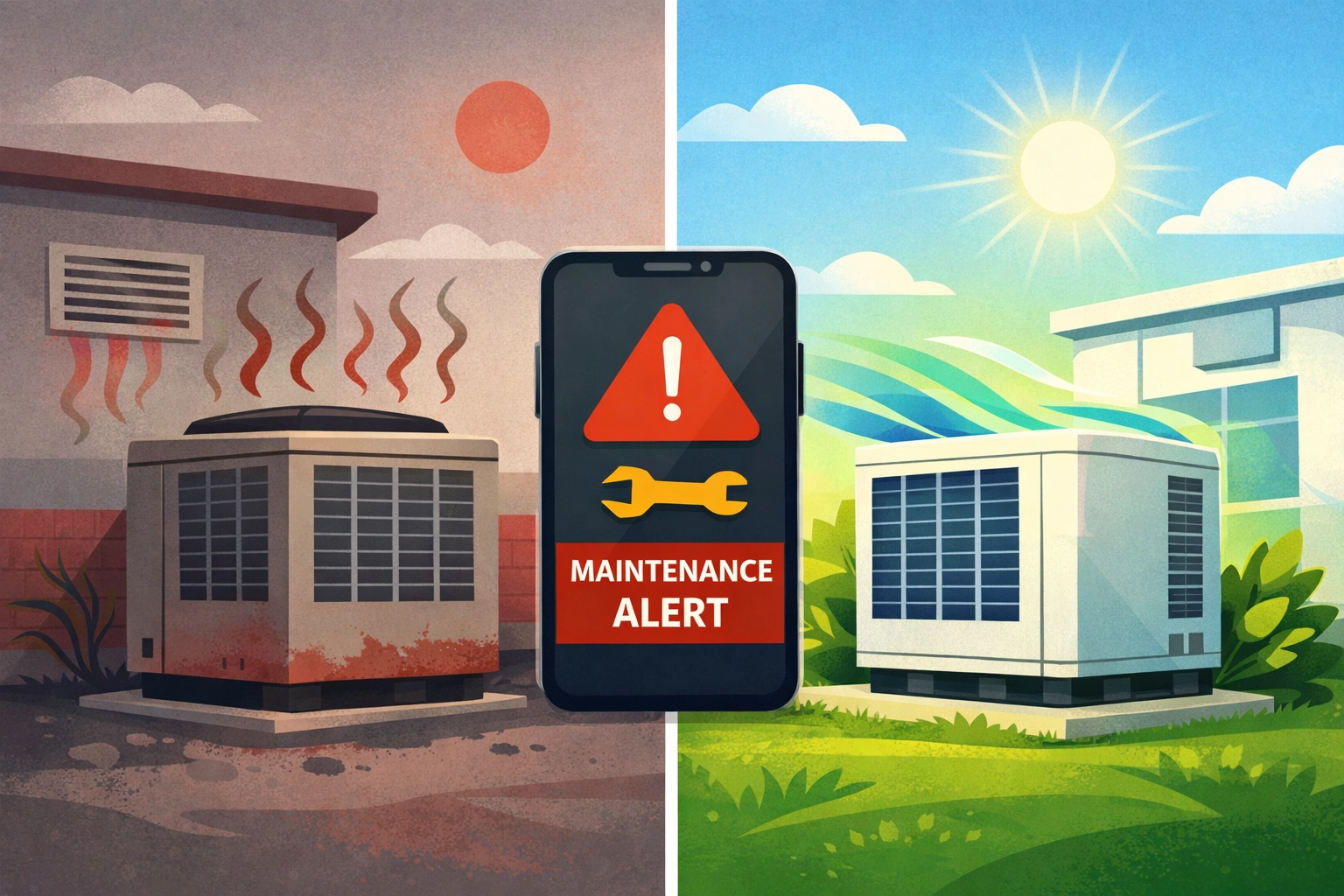
    HVAC system efficiency comparison showing preventive maintenance improving performance

    Better data means better insights. You can track which services are most profitable, which techs need training, and where you’re losing efficiency.

    Integration With Everything Else

    Your scheduling software shouldn’t live in a silo.

    Modern platforms integrate with your accounting software, parts inventory, customer databases, and even CRM systems. Real-time data flows between all your tools.

    When a tech completes a job, the invoice gets created automatically. When parts get used, inventory updates in real time. When a customer calls, your dispatcher sees their complete service history instantly.

    No duplicate data entry. No information getting lost between systems. Just smooth operations from first call to final payment.

    How Valortek Fits Into Your Green Game Plan

    Look, we’re not going to pretend Valortek’s Operations app solves climate change.

    But we built it specifically for field service businesses like yours who are tired of overpaying for bloated software they don’t actually need.

    $99/month. That’s it. No per-user fees. No surprise charges. No “enterprise” upsells.

    You get smart scheduling with drag-and-drop calendars. GPS route optimization. Mobile access for your whole crew. Real-time updates. Customer management. Invoicing.

    The stuff you actually use every day, without the stuff you don’t.

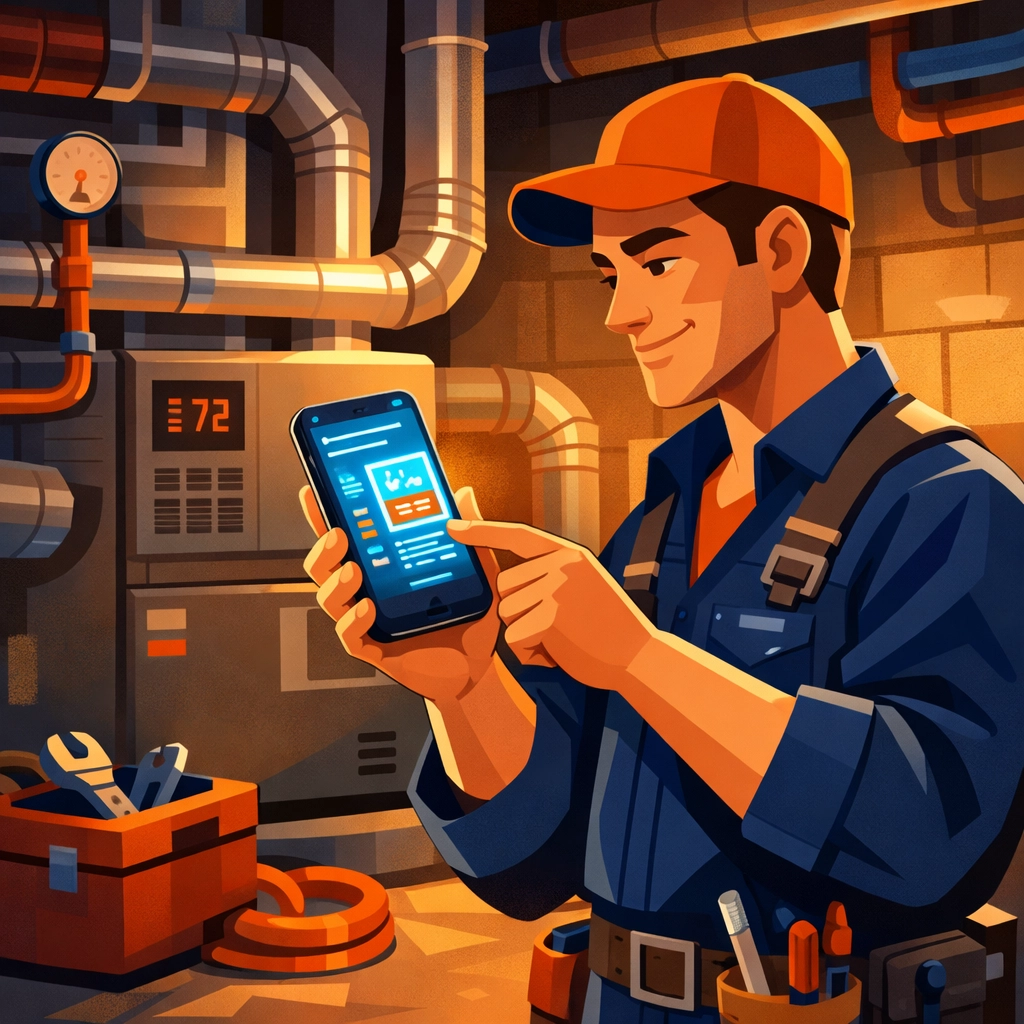
    HVAC technician using mobile field service software on smartphone in mechanical room

    We’re not trying to be Salesforce for HVAC. We’re just people who got tired of watching small businesses get nickel-and-dimed by software companies.

    If you’re running 2-50 techs and you want to operate more efficiently: which means more jobs per day, less fuel waste, and better service: Valortek’s Operations app does exactly that.

    No contracts. No setup fees. No BS.

    The Bottom Line on HVAC Software and Sustainability

    The green revolution in HVAC isn’t optional anymore. It’s building codes and customer expectations and basic competitive pressure.

    But “going green” doesn’t mean you need to spend a fortune on complicated technology.

    It means running tighter operations. Less waste. Better routing. Smarter scheduling. Fewer callbacks.

    The right HVAC scheduling software helps you do all of that while keeping your costs under control.

    Your techs spend less time driving and more time working. Your customers get faster, more reliable service. Your business becomes more profitable while reducing its environmental impact.

    That’s the kind of sustainability that actually works in the real world.

    Start Your Free Trial

    Questions? Contact us – we’re happy to help you decide.
  • 2026 Plumbing Trends: Smart Leak Detection and the Need for Better Invoicing Software

    Author: Warren Peterson

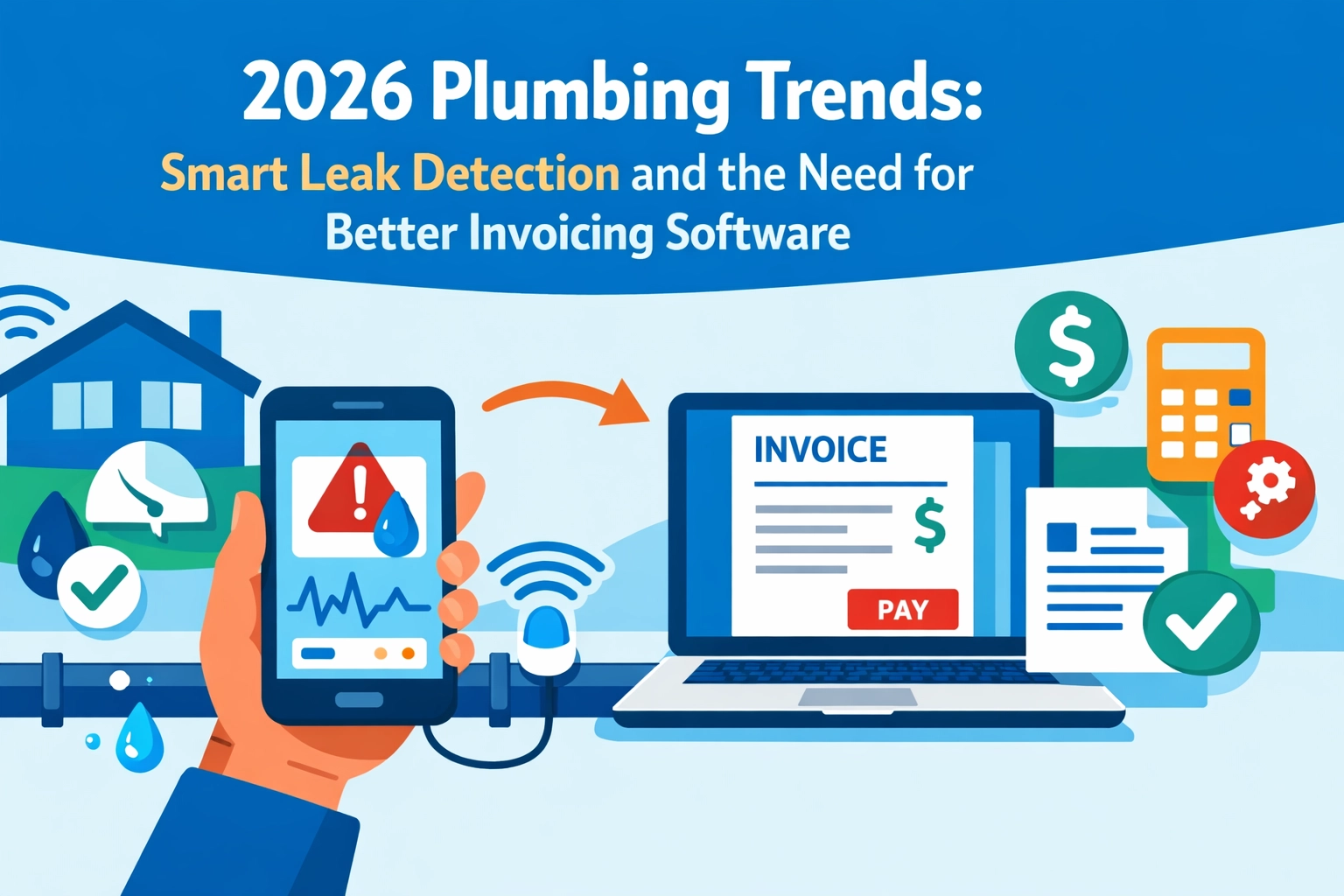
    2026 Plumbing Trends: Smart Leak Detection and the Need for Better Invoicing Software

    The plumbing industry is changing fast. And if you’re not paying attention, you’re already behind.

    Smart leak detection isn’t a luxury anymore. It’s what customers expect. DOE water-heater efficiency standards hit in 2026. EPA water-conservation regulations keep tightening. Your customers are asking for smart tech because they want to save water and money.

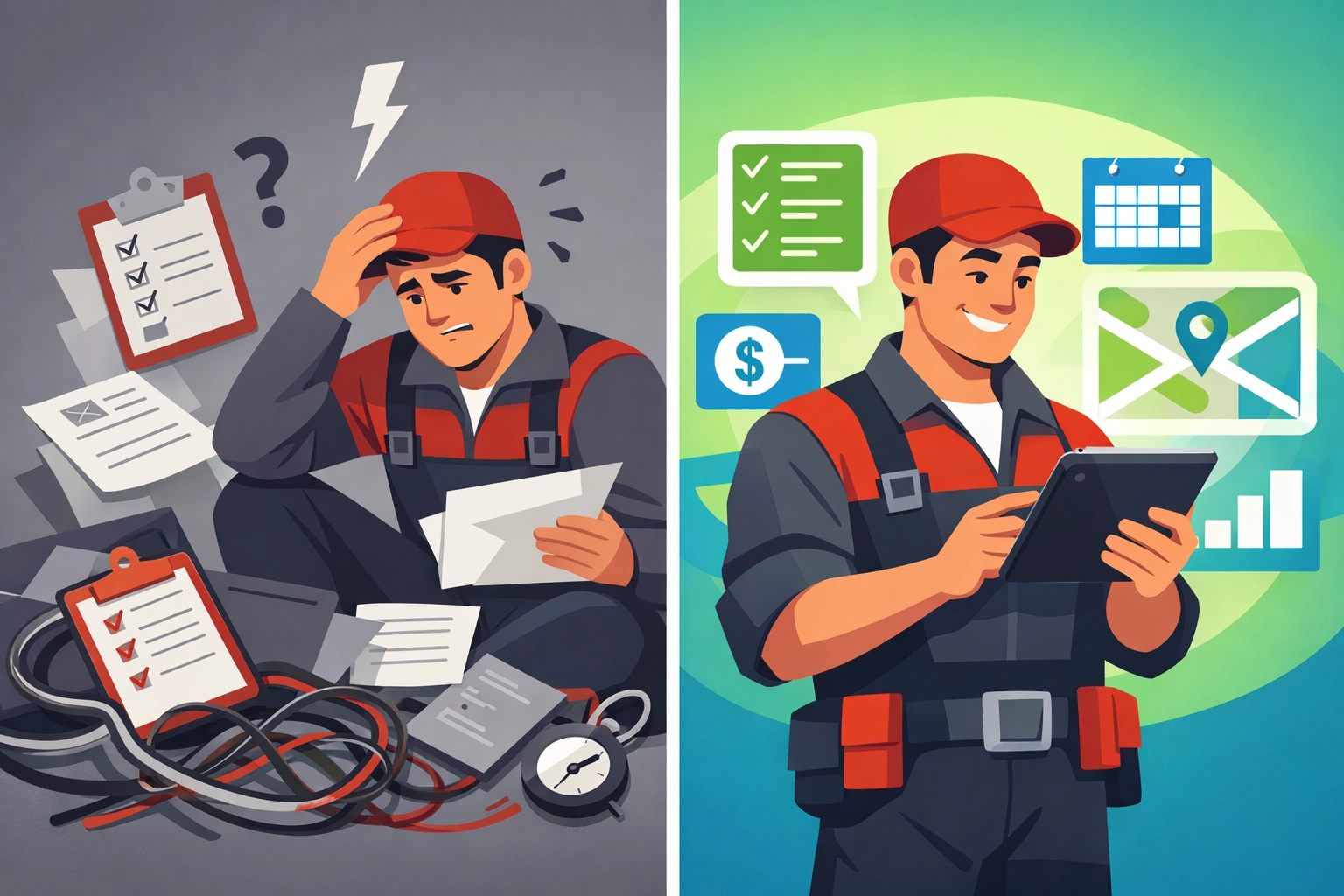
    But here’s the problem most plumbers are running into: your service is getting more sophisticated, but your back-office software is still stuck in 2015.

    You’re installing cutting-edge leak detection systems while using the same clunky invoicing software that takes 20 minutes to generate a quote. That doesn’t add up.

    Smart Leak Detection: Not Optional Anymore

    Homeowners want systems that text them when there’s a leak. They want apps that show water usage in real-time. They want smart shut-off valves that prevent disasters before they happen.

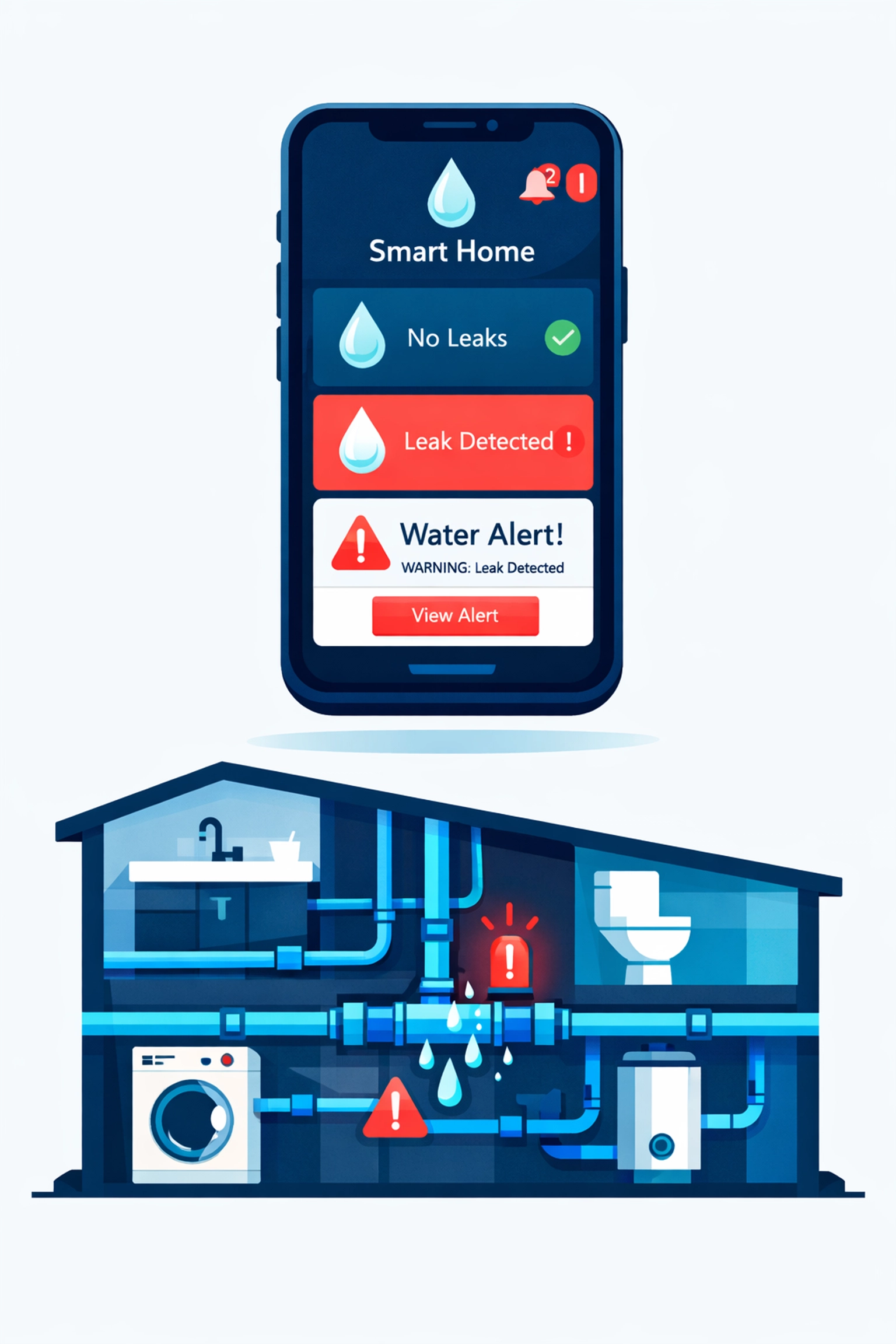
    Smart leak detection app monitoring home plumbing system with water pipes and alerts

    This isn’t just a trend in luxury homes. It’s going mainstream fast.

    Water intelligence features are defining the next wave of residential plumbing. Digital showering controls. Smart water conditioning. Leak detection that actually works. If you’re not offering these services, your competitors are.

    The demand is real. Contractors across the country are reporting major growth in smart plumbing system installations. Customers prioritize clean water and energy efficiency. They’re willing to pay for it.

    Here’s what that means for your business: you need to know how to install, service, and support these systems. That’s a new skill set. New inventory. New vendor relationships. New pricing structures.

    Water Conservation Tech is Everywhere

    Smart leak detection is just one piece. The whole industry is shifting toward conservation.

    Low-flow fixtures aren’t new. But intelligent irrigation systems? Graywater recycling? These are becoming standard in new construction and high-end remodels.

    Federal and state mandates are accelerating this. Manufacturers are redesigning entire product lines to meet 2026 efficiency standards. That means you’re going to be installing and servicing equipment you’ve never touched before.

    Every service call is getting more technical. Every installation requires more product knowledge. Every customer expects you to understand the technology they just saw on YouTube.

    The Back-Office Problem Nobody Talks About

    You’re adapting to new technology on the job site. But what about your business operations?

    Most plumbers we talk to are using the same invoicing software they started with five years ago. Or worse, they’re still doing it on paper.

    Plumber comparing outdated paper invoicing to modern digital invoicing software on smartphone

    That worked fine when you were running service calls for traditional water heaters and drain clogs. But now you’re quoting smart leak detection systems with three different components, ongoing monitoring fees, and installation complexity that varies by home.

    Your old invoicing system can’t keep up.

    You need software that handles modern service pricing. You need digital quotes you can send from your phone. You need invoicing that makes sense for recurring monitoring fees and maintenance contracts.

    Because here’s the truth: if it takes you three days to send a quote for a smart plumbing system installation, that customer already hired someone else.

    Why “Best Software for Plumbers” Isn’t Just About Scheduling

    When plumbers search for the best software for plumbers, they’re usually looking for scheduling and dispatch tools. That’s important. But it’s only half the equation.

    The other half is getting paid efficiently.

    Smart plumbing services mean more complex pricing. You’re not just charging for labor and a part anymore. You’re billing for:

    • System installation
    • Configuration and setup
    • Customer training
    • Ongoing monitoring (monthly or annual)
    • Maintenance agreements
    • Emergency response contracts

    Traditional invoicing software for contractors wasn’t built for this. It was built for one-time jobs with straightforward pricing.

    You need software that can handle recurring revenue. Subscription billing. Service tiers. Contract renewals.

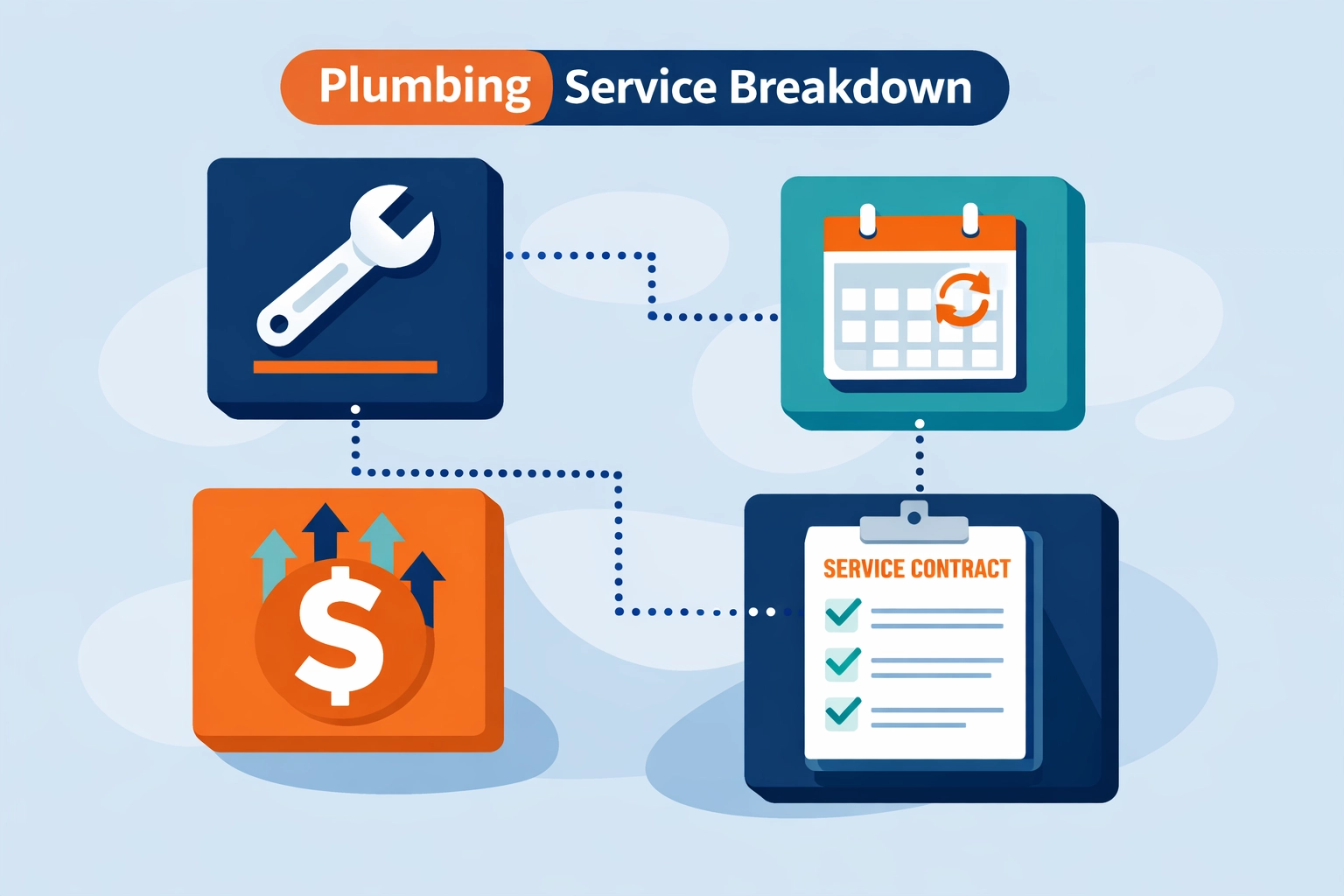
    Plumbing service pricing components including recurring billing and maintenance contracts

    And you need it to be simple. Because you’re a plumber, not an accountant.

    What Actually Works: Operations Software That Doesn’t Suck

    We built Valortek’s Operations app because we kept hearing the same complaint from contractors: existing software is either too complicated or too limited.

    No bloated enterprise features you’ll never use. No $300/month pricing for stuff you don’t need. Just the tools that actually help you run your business.

    Our Ops app is $99/mo. That’s it. No hidden fees. No per-user charges that multiply when you hire help.

    You get:

    • Fast digital quoting from your phone
    • Invoicing that handles one-time and recurring charges
    • Customer management that doesn’t require a training manual
    • Integration with the tools you already use

    It’s designed for contractors who need to send professional quotes quickly, track payments easily, and not waste hours on administrative work.

    Because the more time you spend wrestling with software, the less time you spend on billable work.

    Prefab and BIM: The Other Trend You Should Know

    Here’s another 2026 trend hitting the plumbing industry: prefabrication and Building Information Modeling (BIM).

    Prefab used to be for big commercial jobs only. Now it’s becoming standard even in residential new construction. Why? Because it’s faster, more accurate, and reduces waste.

    BIM lets you design entire plumbing systems digitally before you cut a single pipe. It catches conflicts before they become expensive mistakes on-site.

    Digital quoting and remote monitoring are moving from “nice-to-have” to essential. Job sites are getting more tech-forward. Design rooms are going digital.

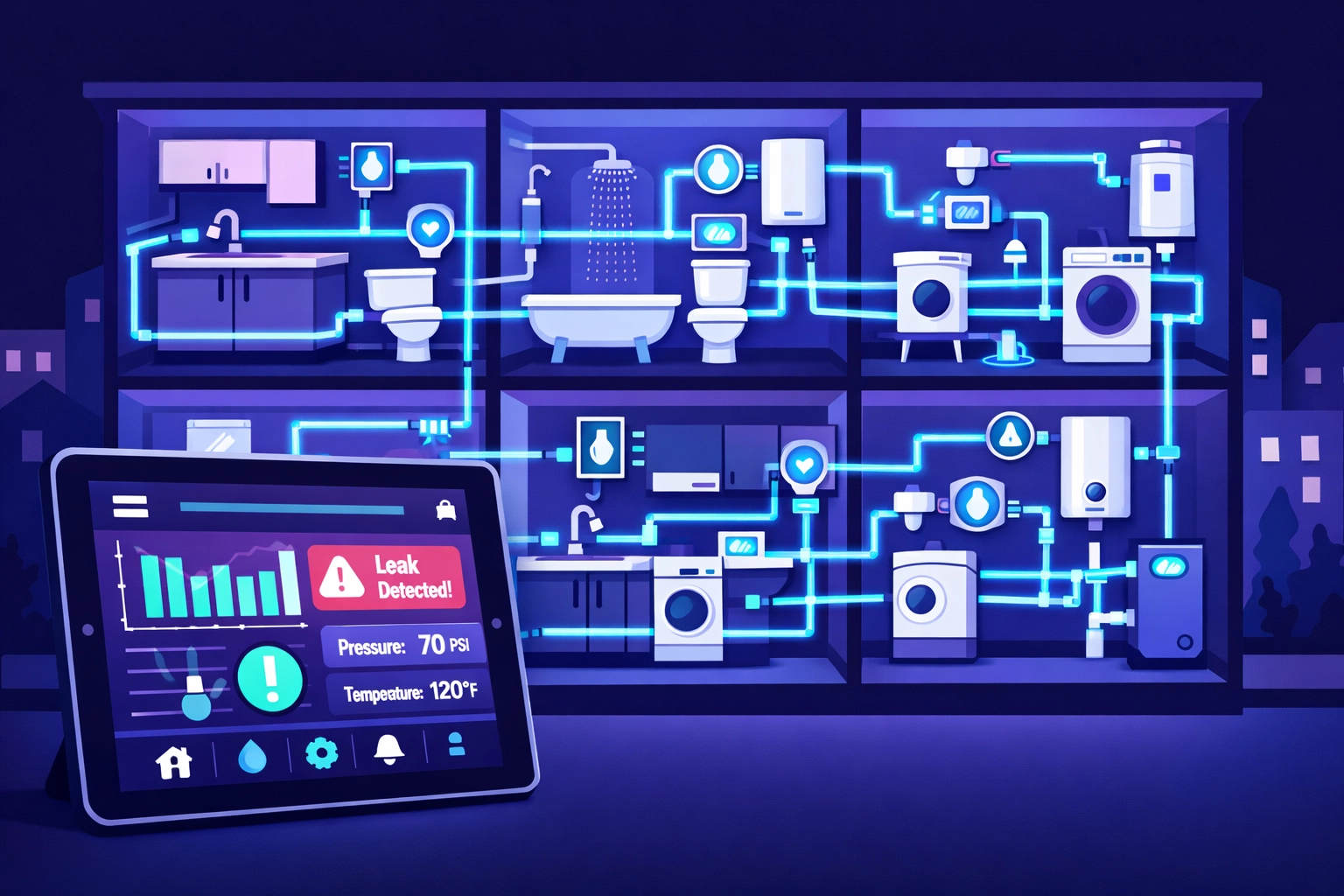
    Smart plumbing monitoring system across apartment building units with digital dashboard

    That means your business systems need to keep pace. If you’re still handwriting quotes and tracking jobs on a whiteboard, you look outdated compared to competitors using modern tools.

    Customers notice. General contractors notice. Property managers notice.

    The Real Question: Can Your Software Handle Your Growth?

    Let’s say you land a big contract installing smart leak detection systems in a 200-unit apartment complex. Great job.

    Can your current software handle:

    • 200 individual quotes (one per unit)?
    • Tracking installation progress across multiple buildings?
    • Billing the property manager monthly for monitoring services?
    • Managing maintenance schedules for all 200 systems?

    If the answer is no, you’ve got a problem.

    The jobs are getting bigger. The technology is getting more complex. The expectations are higher.

    Your software needs to grow with you. Not hold you back.

    Why Plumbers Are Switching to Valortek

    We work with plumbers every day. Small outfits and growing companies. They switch to Valortek because they’re tired of:

    • Software that requires an IT degree to use
    • Pricing that scales up every time they hire someone
    • Features they don’t need buried in menus they can’t navigate
    • Customer support that takes three days to respond

    We keep it simple. We keep it affordable. We keep it focused on what actually matters.

    Quote faster. Invoice easier. Get paid quicker. That’s the goal.

    No enterprise bloat. No corporate buzzwords. Just software that works for plumbers who want to spend more time plumbing and less time doing paperwork.

    The Bottom Line

    2026 plumbing trends are clear: smart leak detection, water conservation tech, and digital integration are the new normal.

    Your customers expect it. Regulations require it. The market is moving that direction whether you’re ready or not.

    But you can’t deliver modern plumbing services while running your business on outdated software. It doesn’t work.

    You need invoicing and operations software that matches the sophistication of the work you’re doing. Software that’s fast, affordable, and actually designed for contractors.

    That’s what we built. $99/mo. No games. No gotchas.

    Start Your Free Trial

    Questions? Contact us – we’re happy to help you decide.

  • Locksmith Business Software and Trends: How Smart Tech is Reshaping 2026

    Author: Warren Peterson

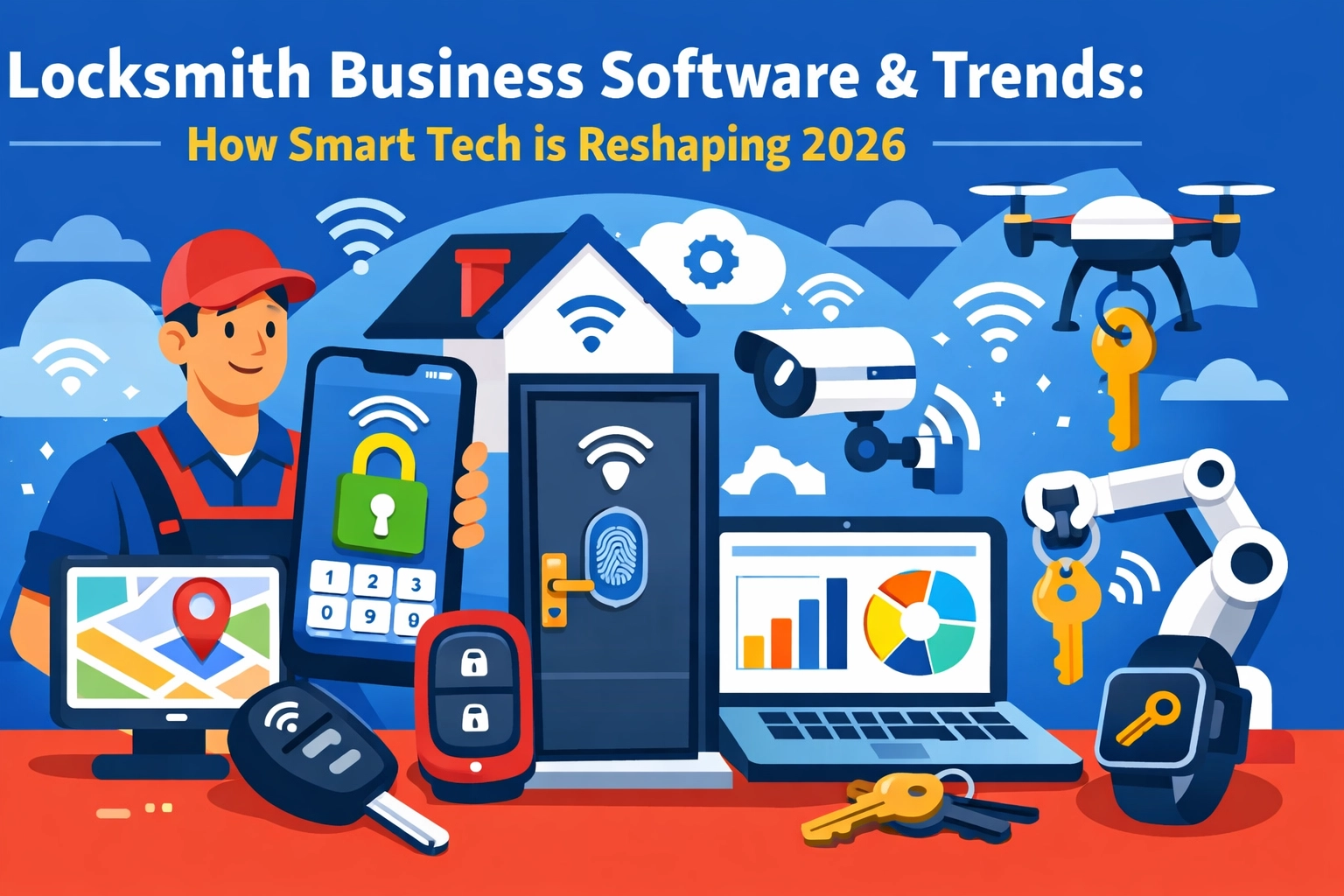
    Locksmith Business Software & Trends: How Smart Tech is Reshaping 2026

    The locksmith industry is changing fast. And we’re not talking about new lock designs.

    We’re talking about how you run your business. Smart tech is everywhere now. AI-powered dispatch. Real-time GPS tracking. Mobile apps that let your techs close deals on-site. Automated booking systems that work while you sleep.

    Here’s what’s actually happening in 2026: and what it means for your locksmith business.

    AI Is Handling Your Phone Calls (And It’s Pretty Good)

    No more missed calls. No more juggling your phone while you’re elbow-deep in a rekey job.

    AI answering systems are now standard in locksmith business software. These aren’t the clunky robocalls from five years ago. Today’s systems can book appointments, answer basic questions, and route emergencies to your on-call tech: 24/7.

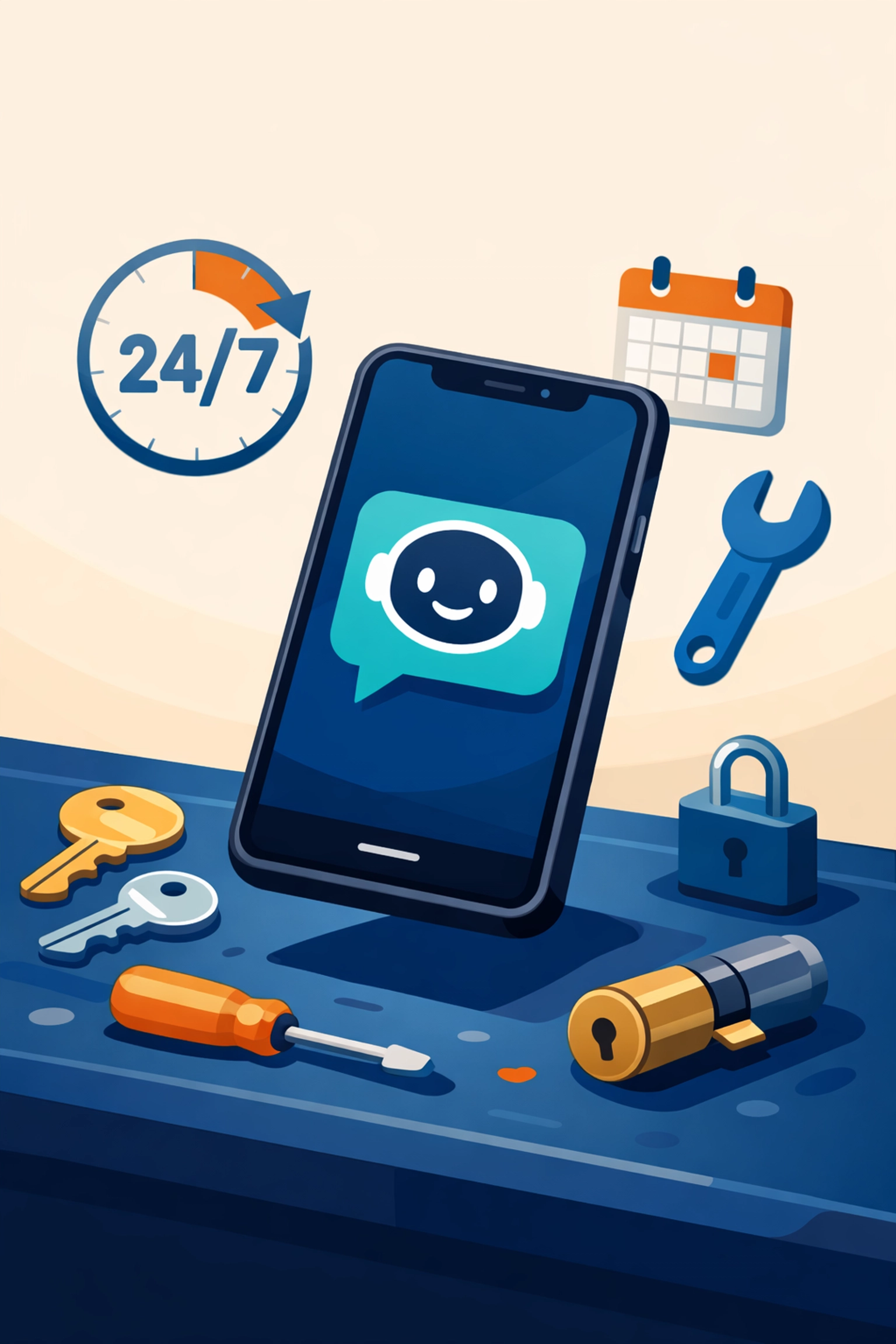
    AI-powered phone assistant for locksmith business software with 24/7 automated booking

    Contractor+ launched Estimatic AI. ServiceTitan added AI-powered customer engagement. Even smaller platforms are building this in.

    The tech works. The question is whether you’re paying $500/month for it or getting it at a reasonable price.

    Your Techs Need Real-Time Everything

    Field service management software in 2026 isn’t about digitizing your clipboard anymore. It’s about giving your techs everything they need on their phone.

    Route optimization that cuts drive time by 20-30%. GPS tracking so you know exactly where everyone is. Job details, customer history, and access codes: all in one app.

    The best part? Your techs can update job status, accept payments, and even upsell services without calling the office.

    This is table stakes now. Every serious locksmith business software platform has mobile apps. The difference is in the details: and the monthly cost.

    Integrated Payments Are Non-Negotiable

    Remember taking checks? Or worse, invoicing people and hoping they’d pay in 30 days?

    That’s over.

    Modern locksmith software includes payment processing built right in. Your tech finishes the job, the customer taps their card on your phone, and the money hits your account.

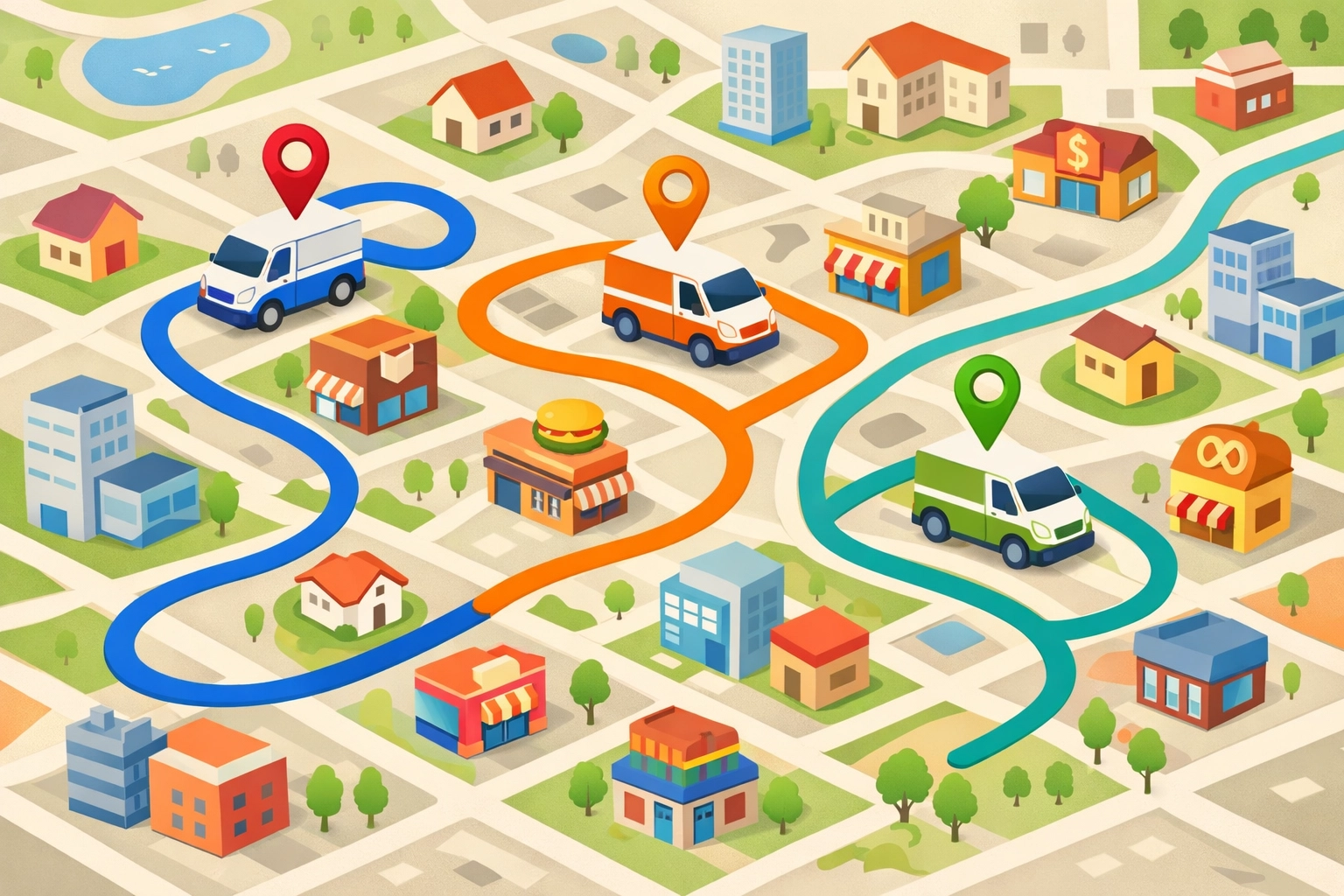
    GPS route optimization map showing field service technician locations and efficient routing

    No manual entry. No reconciliation headaches. No waiting.

    The catch? Some platforms take a cut of every transaction. Others charge flat fees. Read the fine print.

    The All-in-One Platform Takeover

    Here’s the big trend: market consolidation.

    Five years ago, you’d piece together different tools. QuickBooks for accounting. A separate CRM. Maybe a dispatch board. Manual scheduling.

    Not anymore.

    The market has shifted to all-in-one platforms that handle dispatch, scheduling, CRM, invoicing, payments, and mobile management in one system.

    ServiceTitan. Jobber. FieldPulse. HouseCallPro. They all want to be your single solution.

    That sounds great until you see the price tag. Enterprise-level platforms can run $300-$500+ per month. For a small locksmith shop, that’s real money.

    What You Actually Need vs. What They’re Selling

    Let’s be honest about something: most locksmith businesses don’t need every bell and whistle.

    You don’t need predictive AI that forecasts demand six months out. You don’t need 47 different report templates. You don’t need a dedicated account manager walking you through features you’ll never use.

    You need:

    • Easy scheduling that prevents double-bookings
    • Mobile apps your techs can actually use
    • Simple invoicing and payment collection
    • Customer records you can access quickly
    • Basic reporting so you know what’s making money

    That’s it. The rest is feature bloat designed to justify higher monthly fees.

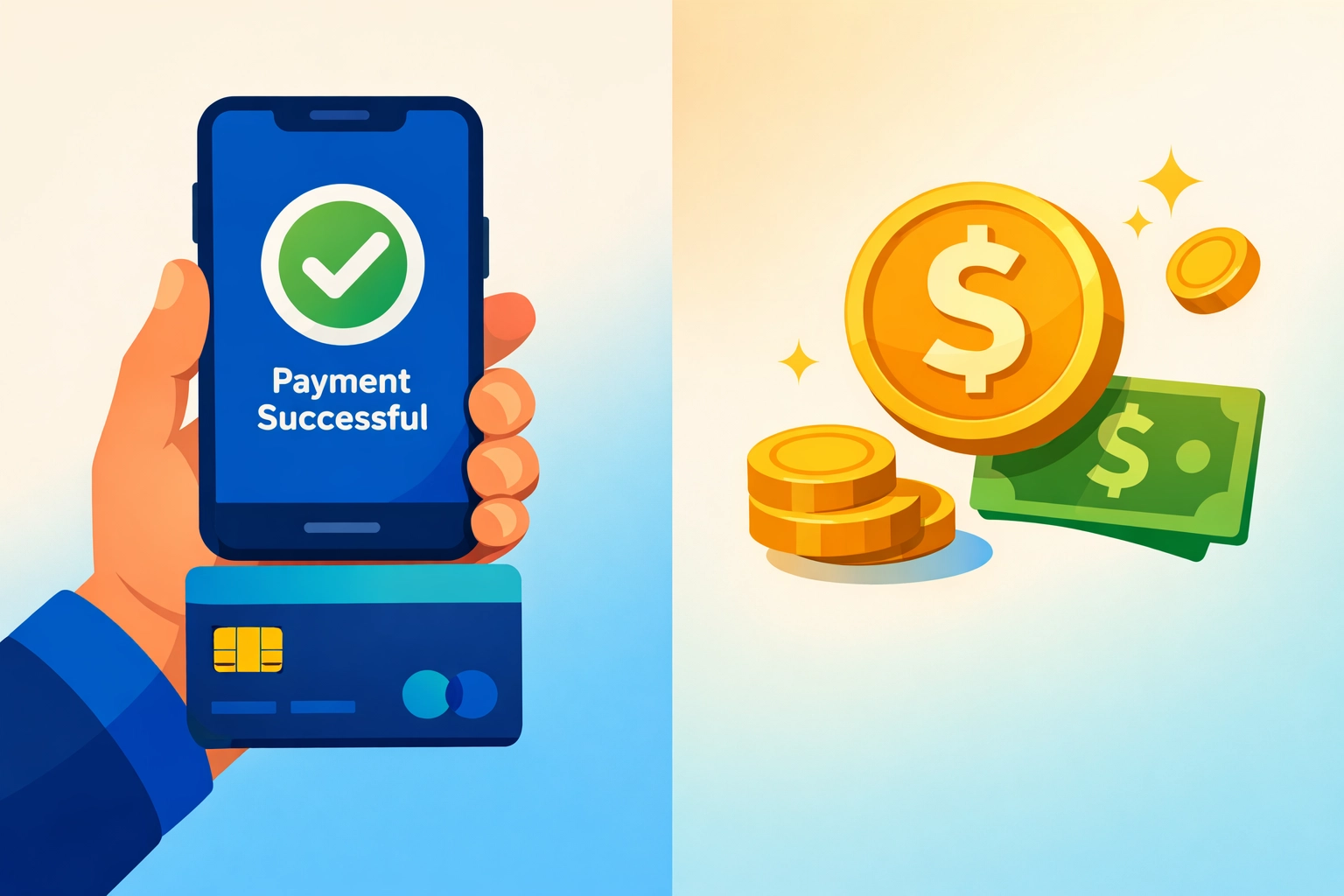
    Mobile payment processing on smartphone for locksmith invoicing and instant transactions

    The Smart Lock Integration Question

    Smart locks are everywhere now. August. Yale. Schlage Encode. Customers are asking about them.

    Some locksmith business software platforms are adding smart lock integrations. You can manage access codes remotely. Set up temporary access for Airbnb hosts. Monitor who’s coming and going.

    This is useful if you’re moving into smart home services. But if you’re focused on traditional locksmith work? It’s nice to have, not need to have.

    Don’t let a sales rep convince you to pay an extra $100/month for features your customers aren’t asking for.

    The Real Cost of “Enterprise” Software

    ServiceTitan is the market leader for field service businesses. They’re great at what they do.

    They’re also expensive. Really expensive.

    We’re talking $300-$500+ per month for smaller operations. Enterprise pricing for teams that aren’t enterprise-sized yet.

    HouseCallPro, Jobber, and FieldPulse fall into similar ranges. They’ve all added impressive features. AI this. Smart that. Automated everything.

    But here’s what nobody talks about: most small locksmith businesses don’t need 80% of what these platforms offer.

    You’re paying for complexity you don’t use. Training time you don’t have. Integrations you don’t need.

    Where Valortek Fits In

    We built our Operations app for exactly this situation.

    No enterprise complexity. No $400/month sticker shock. No sales calls where someone tries to upsell you to the “Professional Plus Premium” tier.

    Just solid field service management software that handles scheduling, dispatch, mobile field work, invoicing, and payments. Everything a locksmith business actually needs to run smoothly.

    $99/month. That’s it.

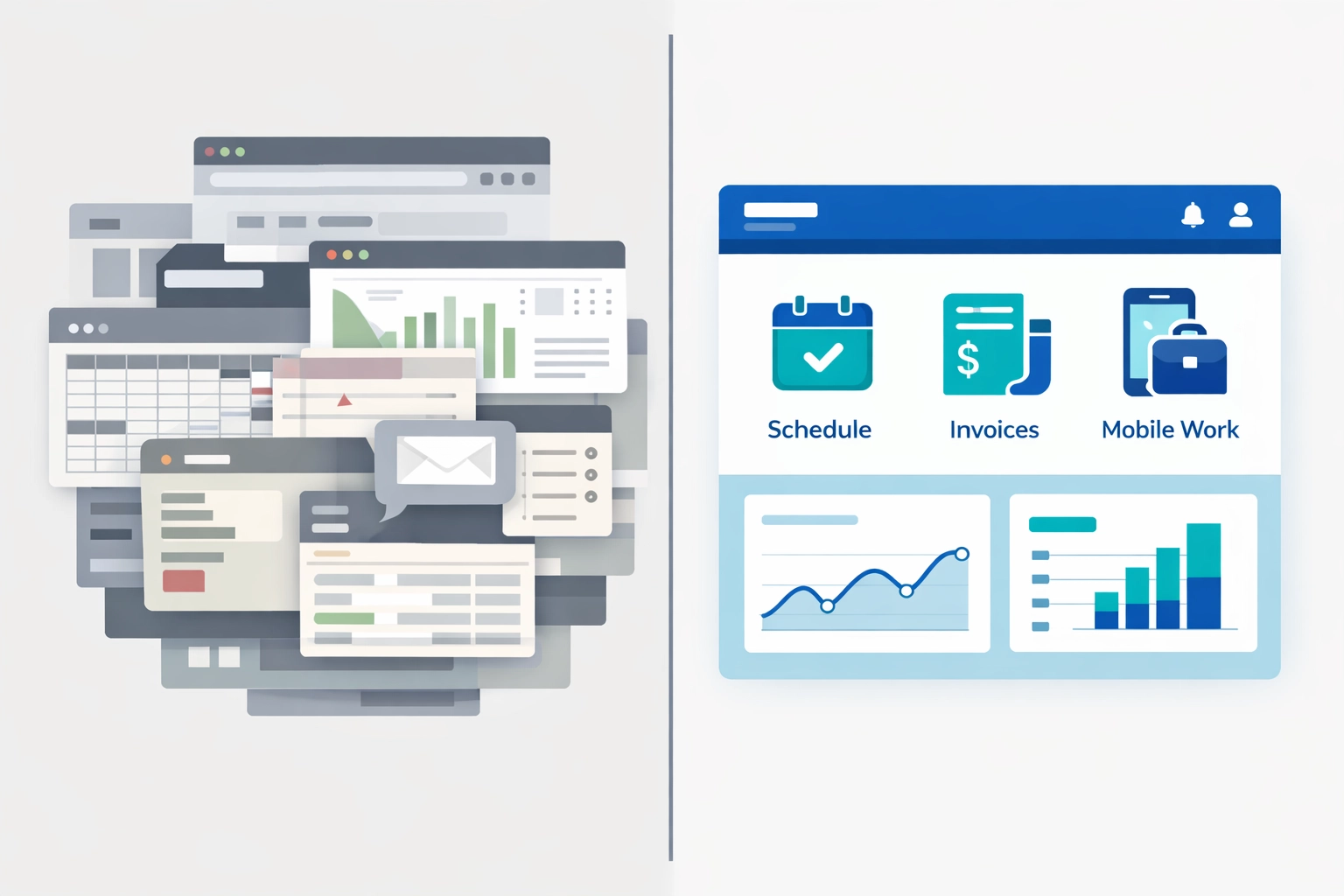
    Comparison of simple locksmith business software vs complex overwhelming enterprise platforms

    We’re not trying to be everything to everyone. We’re not building predictive AI or smart home integrations or 17-layer permission systems.

    We’re building software for small trade businesses that want to stop using spreadsheets and clipboards without taking out a second mortgage to afford “enterprise” tools.

    2026 Is About Picking the Right Tool, Not the Fanciest One

    The locksmith industry has more software options than ever. That’s good.

    But more options also means more noise. More sales pitches. More feature comparisons that don’t actually matter.

    Here’s what matters:

    • Can your techs use it without a training manual?
    • Does it save you time or create more work?
    • Can you afford it without cutting into your margins?
    • Does the company actually respond when you need help?

    The fanciest tool isn’t always the right tool. Sometimes you just need something that works and doesn’t break the bank.

    What’s Next for Locksmith Tech

    We’ll see more AI. More automation. More integrations with smart home platforms and IoT devices.

    That’s all coming.

    But the core of your business hasn’t changed. You show up. You solve problems. You get paid.

    The software should make that easier, not harder.

    If your current system is working, great. If you’re paying too much for features you don’t use, maybe it’s time to look around.

    And if you’re still using paper and spreadsheets? 2026 is the year to fix that.

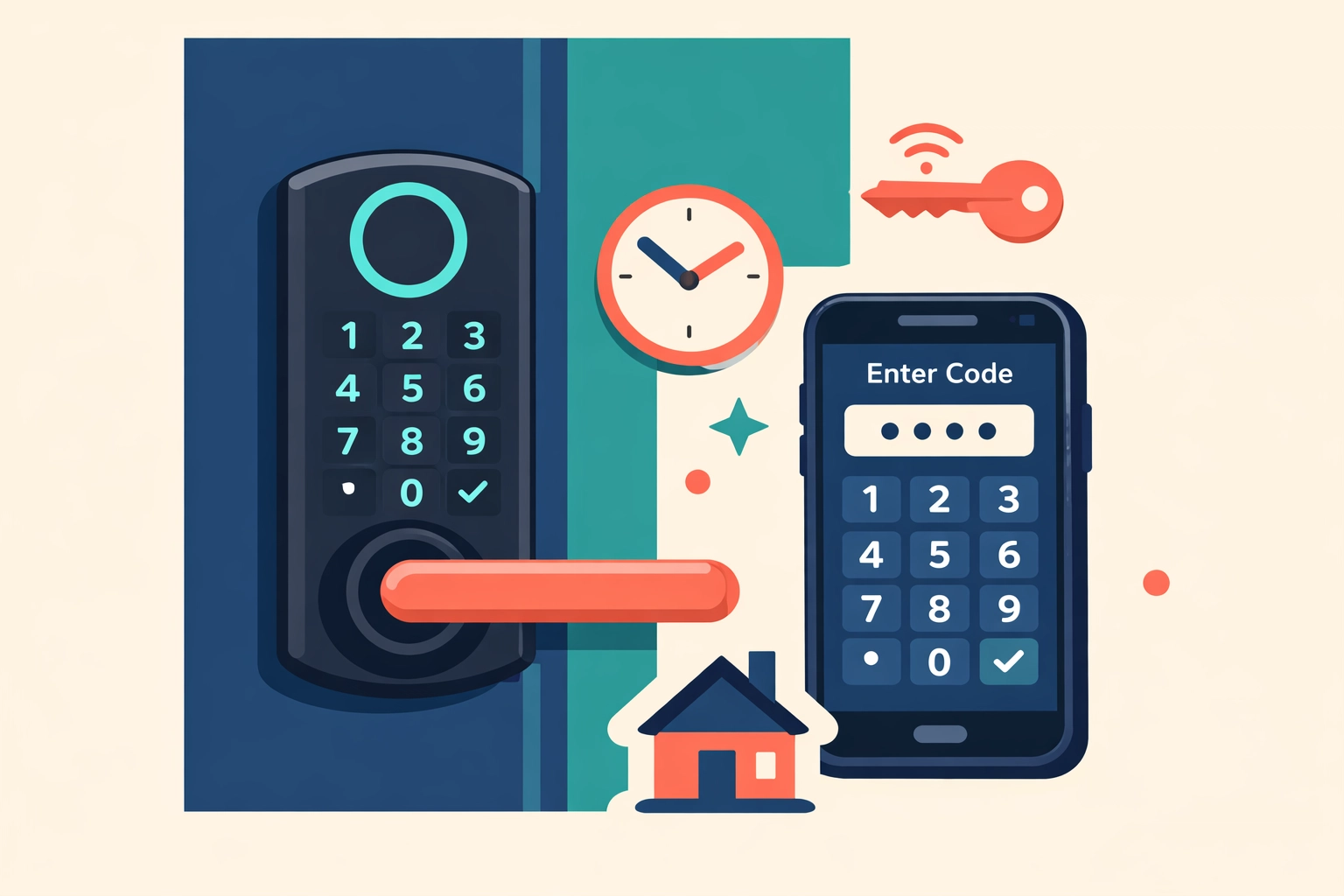
    Smart lock with smartphone showing digital access code management for locksmith services

    The technology exists now to run your locksmith business smoothly without spending enterprise money. You just have to know where to look.


    Start Your Free Trial

    Questions? Contact us – we’re happy to help you decide.